
Introduction
Roofing repair tips every Ohio homeowner needs to know — here’s a quick overview before we dive in:
Top Roofing Repair Tips at a Glance:
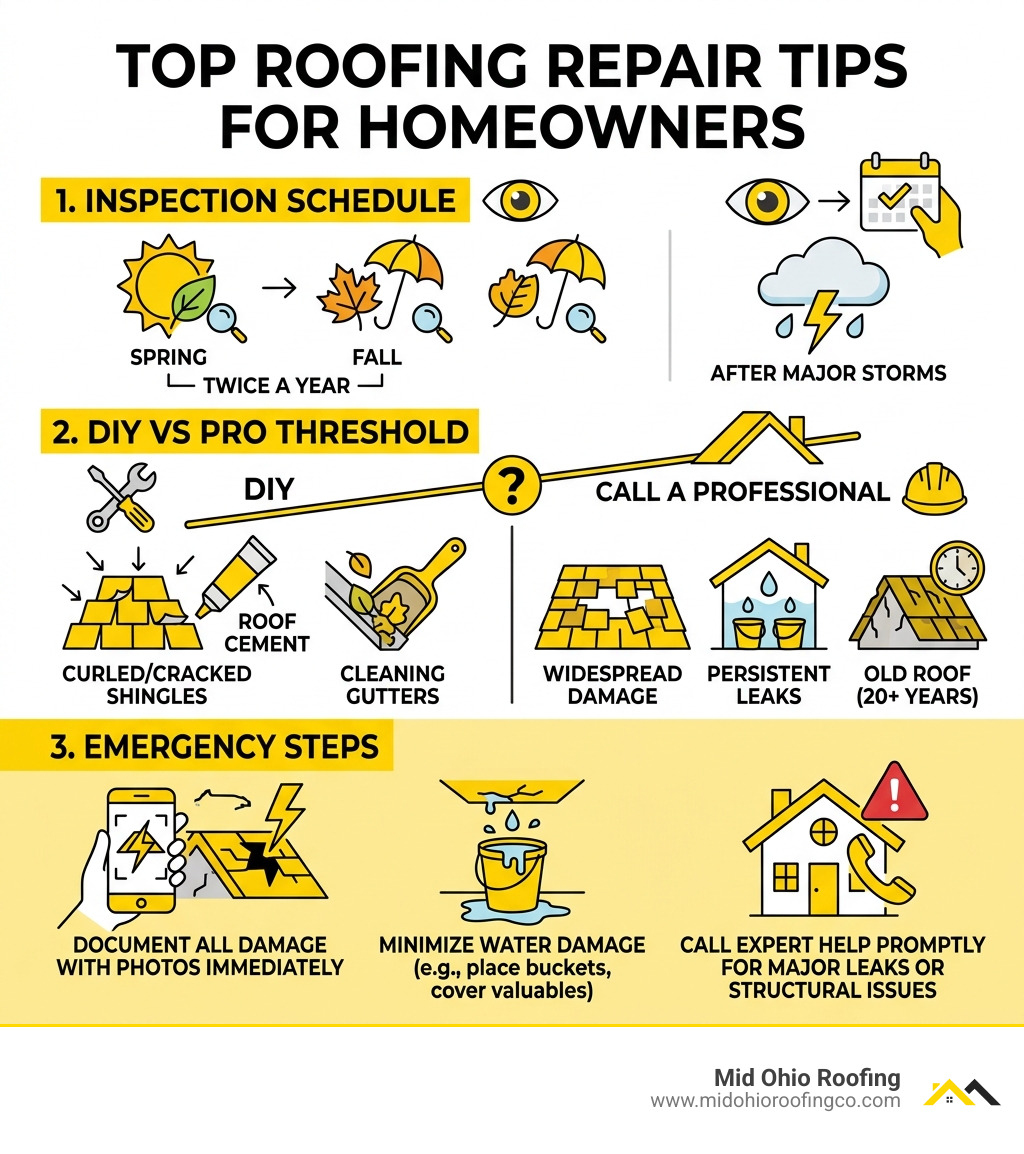
- Inspect twice a year — spring and fall, plus after major storms
- Check for curled, cracked, or missing shingles from the ground using binoculars
- Look in your attic for water stains, dark mold marks, or damp insulation
- Clean gutters every 3 months — granules in the gutter signal shingle wear
- Use roofing cement for minor curled shingles; call a pro for anything structural
- Document all damage with photos immediately after a storm
- Never work on a wet or steep roof without fall protection gear
- Call a professional when leaks persist, shingles are widespread, or the roof is 20+ years old
Ohio’s weather is hard on roofs. Freeze-thaw cycles crack shingles. Heavy snow loads stress rafters. Summer UV rays dry out sealants faster than most homeowners expect. A small problem in March can become a ceiling collapse by December if left alone. As a leading provider of professional roofing solutions, we know that catching damage early — before water gets into your decking, insulation, or walls — is almost always cheaper than waiting.
This guide covers everything from spotting early warning signs to handling contractor conversations the right way. Whether you’re dealing with a few lifted shingles or trying to figure out if it’s time for a full replacement, you’ll find practical answers here.
I’m Albert Wengerd, owner of Mid Ohio Roofing, and I’ve spent years inspecting, repairing, and replacing roofs across central Ohio — giving me a front-row seat to every roofing repair tip that actually works in real-world conditions. From asphalt shingles on residential ranches to commercial flat roofing systems, that hands-on experience shapes everything you’ll read below.
Maintaining a home in the Buckeye State requires a proactive approach to exterior care, as Ohio’s fluctuating temperatures can accelerate material fatigue. For those seeking expert roofing services in Ohio, understanding the lifecycle of your roof is the first step toward long-term protection and structural integrity.
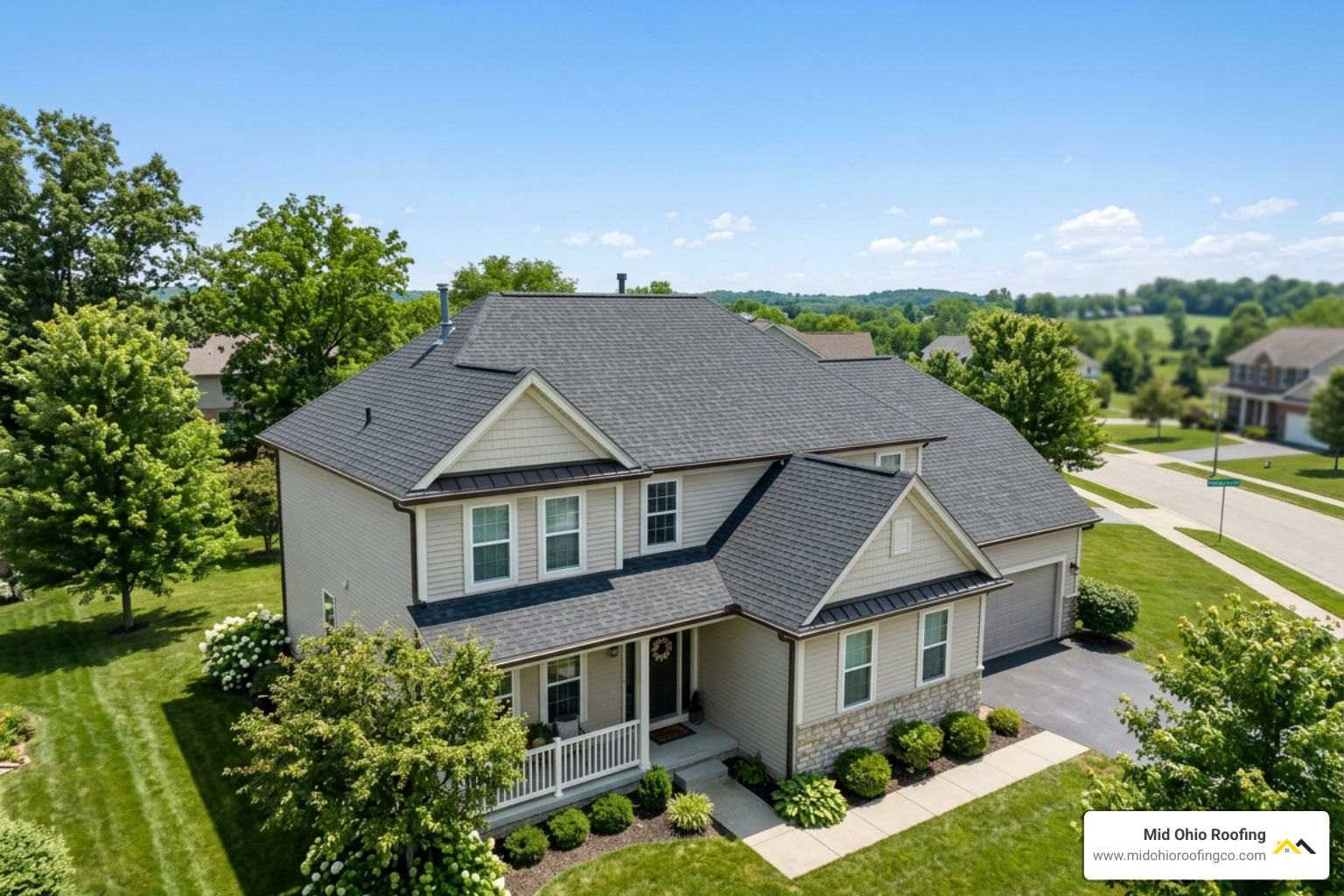
In May 2026, we are seeing a shift toward more resilient materials as homeowners respond to increasingly volatile spring storms. Preventative maintenance isn’t just a chore; it is the primary factor in determining if your roof lasts 15 years or 30. By staying ahead of minor issues, you protect your home’s most vital shield.
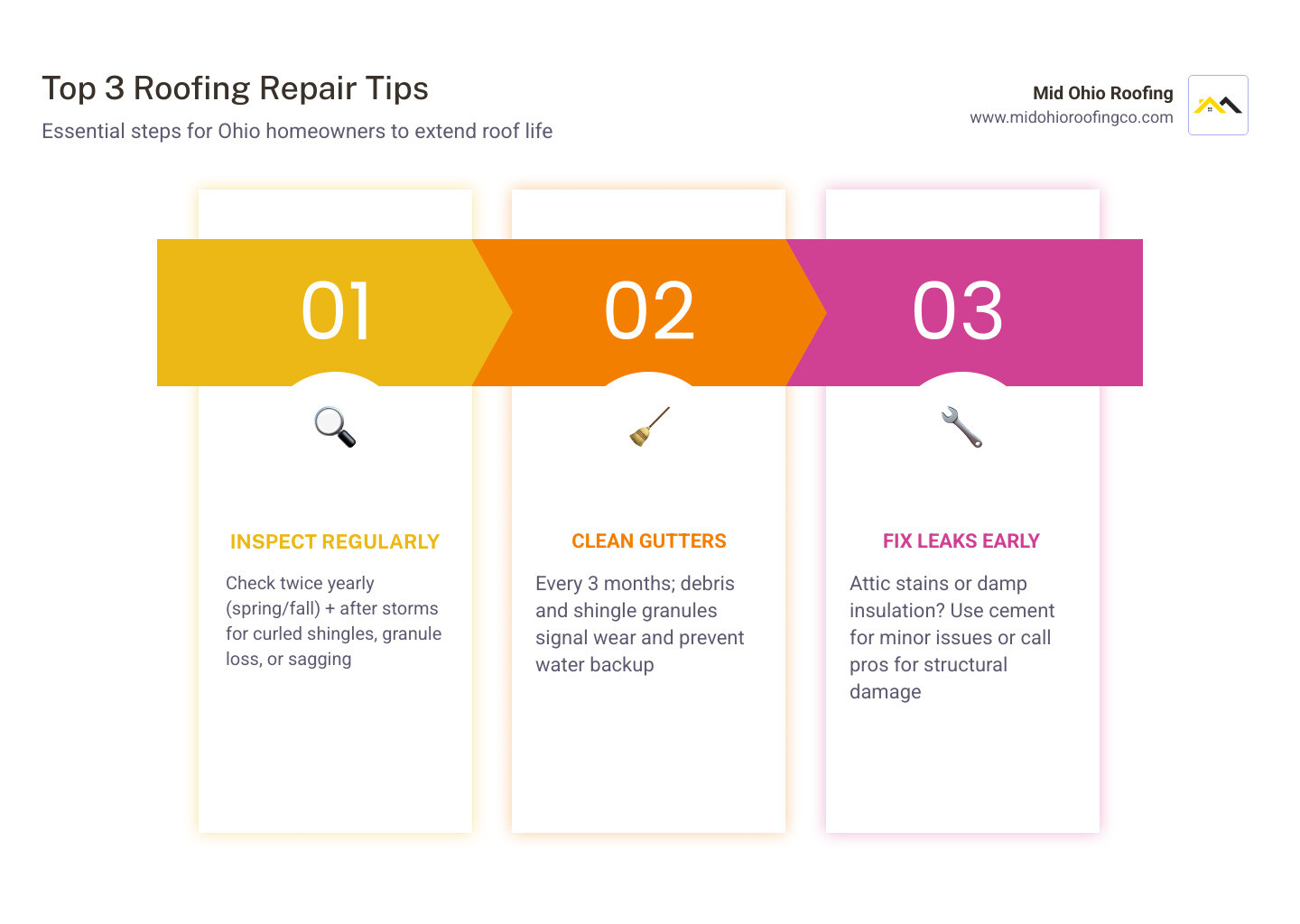
Identifying Damage: Proactive Roofing Repair Tips
Early detection is the difference between a $400 patch and a $40,000 structural overhaul. We recommend a “two-pronged” inspection: interior and exterior.
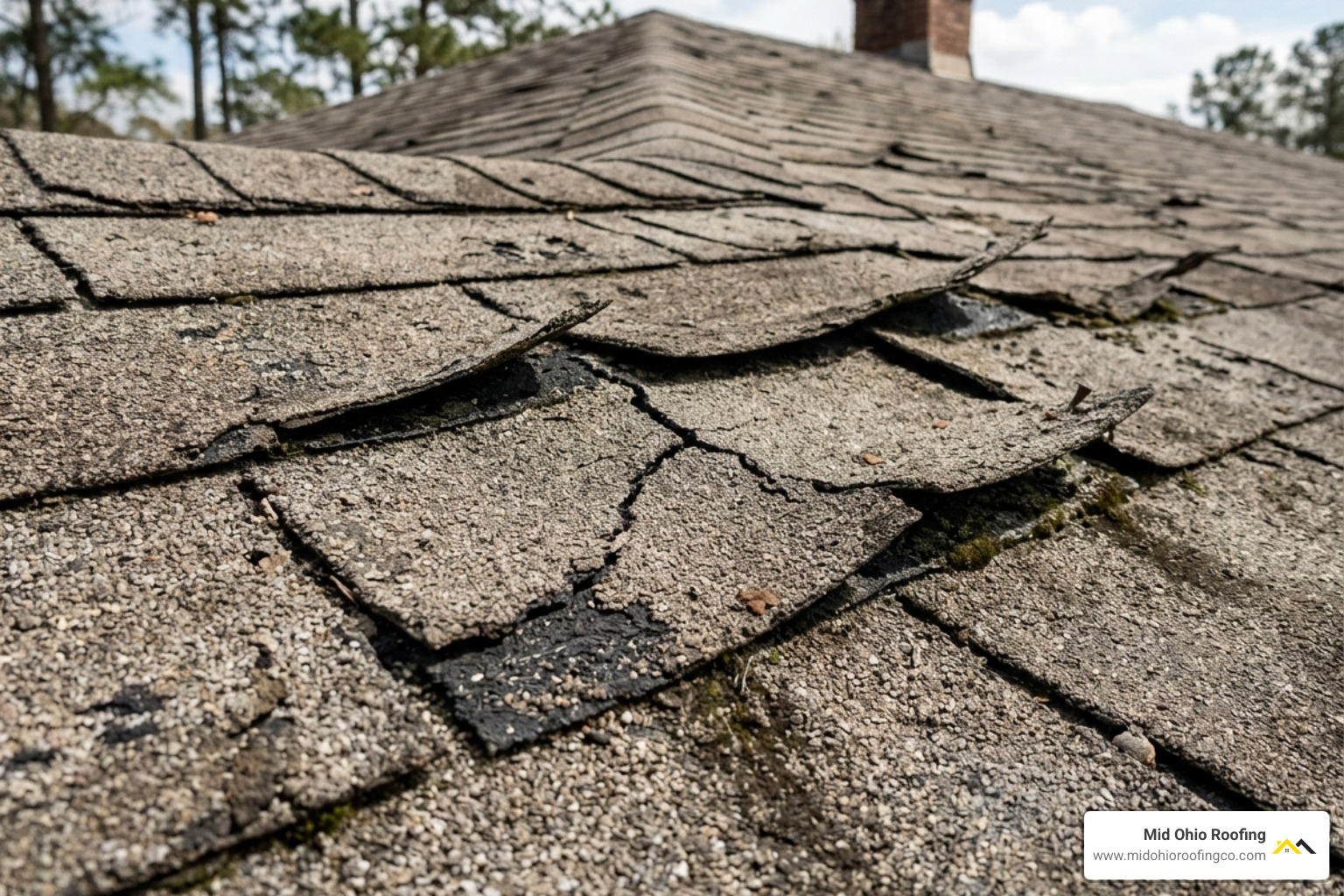
Exterior Red Flags
Start from the ground with a pair of binoculars. Look for:
- Shingle Curling: When the edges of your shingles turn upward or claw inward, they are no longer shedding water effectively.
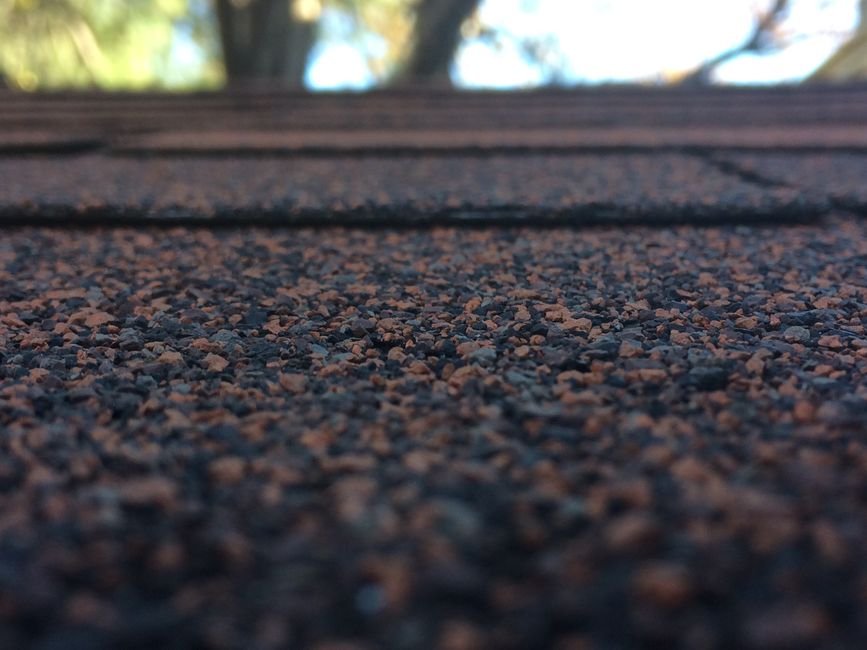
- Granule Loss: Check your gutters. If they look like they’re filled with coarse black sand, your shingles are losing their UV protection.
- Flashing Rust: Flashing is the metal that seals joints around chimneys and vents. If it’s rusted or peeling, water has an open door into your home.
- Sagging Rooflines: This often indicates a serious issue with the roof deck or rafters.
Interior Indicators
Your attic often tells the story your shingles are trying to hide. Utilize Roof Leak Detection techniques by looking for water stains on the underside of the roof deck or black marks on rafters. If you see “pinholes” of light coming through the boards, you have a direct path for water intrusion. For a deeper dive into these signs, check out our Roofing Maintenance Tips.
Minor Roofing Repair Tips for Asphalt Shingles
If you’ve identified a few curled tabs, you can often perform a minor fix to buy time. According to the GAF Guide to Shingle Repair, shingles are most pliable in warm weather. If you try to bend a cold shingle, it will snap.
To fix a curled corner:
- Apply a dab of asphalt roofing cement under the corner with a putty knife.
- Press firmly to re-establish the bond.
- For cracked shingles, you may need to prying up the shingle above and use 6d galvanized nails to secure a new piece, covering the nail heads with more cement.
For more extensive shingle issues, our Roof Repairs team can ensure the color match and seal are perfect.
Long-Term Roofing Repair Tips to Prevent Structural Failure
Water is a “slow-motion wrecking ball.” When leaks go unaddressed, they lead to wood rot in the roof sheathing and rafters. In Ohio, the biggest structural threat is often the freeze-thaw cycle. Ice dams form when heat escapes into the attic, melts snow on the roof, and then refreezes at the cold eaves. This ice ridge traps water, forcing it under the shingles.
To prevent this, you must balance your ventilation. Proper ridge and soffit vents keep the attic temperature close to the outside temperature. If you’re worried about the bones of your home, read The Heavy Lifting Guide to Roof Structure Replacement Costs to understand the stakes of Structural Roof Repair.
DIY vs. Professional: When to Call the Experts
Many homeowners ask if they can handle roofing repair tips on their own. The answer depends on your “toolbox and your bank balance,” but safety should always be the priority.
| Factor | DIY Repair | Professional Service |
|---|---|---|
| Average Cost | $50 – $150 (Materials) | $300 – $1,500 |
| Time Investment | 4 – 8 Hours | 2 – 5 Hours |
| Risk Level | High (Falls/Errors) | Low (Insured/Expert) |
| Warranty | None (May void shingle warranty) | Workmanship Warranty |
The national average for a professional repair is around $900. While DIY is tempting, improper repairs can void manufacturer warranties from companies like CertainTeed. If you’re unsure where your roof stands, scheduling Roof Inspections is a low-cost way to get an expert opinion. For more on the financial side, see our guide: Stop the Leaks and the Bleeding Wallets with This Reroofing Guide.
Signs You Need a Full Roof Replacement
Repairs are great for isolated damage, but they won’t save a roof that has reached the end of its life. We use the 70% Rule: If your roof is more than 70% through its expected lifespan (usually 15-20 years for 3-tab shingles) and requires frequent repairs, Roof Replacement is the more economical choice.
Widespread shingle loss, “alligatoring” (cracking that looks like reptile skin), and persistent leaks in multiple locations are signs that the system has failed. If you live in a specific area like Knox County, our Mount Vernon Roofing Guide provides local standards for weather resilience. When it’s time for a new start, Roof Installation ensures your home is protected for the next three decades.
Essential Safety and Temporary Fixes for Emergencies
Never step onto a roof during a rainstorm or high winds. The most important of all roofing repair tips is that no roof is worth your life.
DIY Safety Standards
- Fall Protection: Always use a Personal Fall Arrest System (PFAS) if the pitch is steeper than 6:12.
- Footwear: Wear soft-soled, non-slip boots for the best traction.
- The Buddy System: Never climb a ladder without someone on the ground to steady it and call for help if needed. Follow Ladder Safety Standards from OSHA by maintaining three points of contact.
Emergency Tarping
If a storm hits and you have an active leak, Emergency Tarping is your best defense. Use a heavy-duty 6-mil polyethylene tarp. Extend the tarp over the ridge (peak) of the roof so water cannot run under the top edge. Secure it with 2×4 wooden strips rather than just nailing through the tarp, which can tear in high winds. For immediate professional help, our Emergency Roofing team is available 24/7.
Handling Insurance Claims for Storm Damage
In Ohio, wind and hail are frequent culprits. When damage occurs:
- Document Everything: Take high-resolution photos of the roof, your yard (if shingles are on the ground), and interior water damage.
- Call a Professional First: Have a roofer inspect the damage before the adjuster arrives. We can often point out “bruised” shingles that an adjuster might miss.
- Review Your Policy: Understand the difference between Replacement Cost Value (RCV) and Actual Cash Value (ACV). Owens Corning offers excellent resources on the insurance process.
Whether it’s Residential Roofing or commercial, we assist our clients through the documentation phase to ensure they get the coverage they deserve.
The Professional Process and Contractor Etiquette
When you hire a pro, you aren’t just paying for shingles; you’re paying for a managed project. A reputable contractor should follow NRCA Standards.
What to Expect from a Pro
- Verification: They should provide proof of Ohio licensing and insurance certificates without being asked.
- Written Estimates: A quote should be detailed, including material types, permit fees, and disposal costs.
- Property Protection: The crew should use tarps to protect your landscaping and magnetic rakes to pick up stray nails.
- Communication: You should know exactly when the crew will arrive and who the on-site foreman is.
This level of professionalism applies to everything from a small home to large Commercial Roofing projects.
Choosing a Reputable Local Contractor
Don’t just rely on the first “storm chaser” who knocks on your door after a hail event. Look for:
- Local Roots: A contractor based in Mount Perry or Zanesville will be there if you have a warranty issue three years from now.
- Accreditation: Check Better Business Bureau (BBB) rankings.
- Certifications: Use the CertainTeed Credentialed Contractor Search to find installers who have been vetted by the manufacturers themselves.
Frequently Asked Questions about Roofing Repair Tips
How can I identify a roof leak in the attic?
The best time to find a leak is during a heavy rain. Head to the attic with a bright flashlight. Look for water traveling along rafters or the underside of the roof deck. Remember: water often enters the roof at one point and travels several feet down a beam before dripping. Look for dark “tide marks” or damp insulation. Our Roof Leak Detection service uses advanced tools to find elusively hidden entry points.
What is the average cost of a professional roof repair in 2026?
As of May 2026, most minor professional repairs (like replacing a vent boot or a few shingles) range from $300 to $600. More complex repairs involving flashing or small sections of decking can range from $800 to $1,500. Factors affecting price include roof pitch, height, and the specific material being matched. You can view our Roof Repairs page for more pricing context.
How often should I schedule a professional roof inspection?
We recommend a professional inspection once a year. While homeowners can spot obvious damage, a pro can identify “alligatoring” sealants or “bruised” shingles from hail that aren’t visible to the untrained eye. Regular Roof Inspections combined with quarterly gutter cleaning are the best ways to avoid the “emergency call” at 2:00 AM.
Conclusion
Mid Ohio Roofing provides Mt. Perry and the surrounding regions with unmatched expertise in Ohio weather resilience. We understand the specific challenges of our local climate, from Zanesville to Columbus. Whether you need a simple patch or a complex structural overhaul, we prioritize transparency, safety, and quality.
Don’t let a small drip turn into a major disaster. You can schedule your professional roofing services online to ensure your home stays dry and secure for years to come.