
Why Choosing the Right Roofing Contractor Can Make or Break Your Home’s Protection
Hiring a roofing contractor is one of the most important decisions you’ll make as a homeowner — and one of the easiest to get wrong.
Quick answer: What does a roofing contractor do?
- Inspects your roof for damage, wear, or leaks
- Repairs or replaces damaged shingles, flashing, and underlayment
- Installs new roofing systems on residential and commercial buildings
- Assists with storm damage documentation and insurance claims
- Provides warranties backed by manufacturers like GAF and Owens Corning
Ohio’s weather is relentless. Heavy snow, freeze-thaw cycles, high winds, and hail can quietly tear apart a roof long before you see a single water stain on your ceiling. Storm damage doesn’t always show up as an obvious leak — it can hide for months, slowly rotting your decking and insulation from the inside out.
That’s exactly why so many Ohio homeowners are turning to Mid Ohio Roofing — a trusted local authority serving Columbus, Newark, Mount Vernon, and communities across central Ohio — to protect their biggest investment.
As of July 2026, the roofing market is being shaped by rising material costs, a growing shortage of skilled labor, and increasing demand for impact-resistant products as hail losses climb nationwide. Homeowners are asking harder questions before signing contracts — and they’re right to do so.
I’m Albert Wengerd, owner of Mid Ohio Roofing, and I’ve worked across residential and commercial roofing contractor projects throughout Ohio — from asphalt shingle replacements to TPO flat-roof systems on commercial warehouses. This guide pulls from that hands-on experience to help you make a confident, informed decision.
Key Factors Shaping the Modern Roofing Market
The modern roofing landscape is vastly different than it was even a few years ago. Homeowners in July 2026 are no longer just looking for the cheapest bid; they are prioritizing long-term value, durability, and energy efficiency.
Severe weather patterns across Central Ohio have made impact-resistant materials a necessity rather than a luxury. Hail damage losses have risen consistently, driving a massive shift toward Class 4 impact-resistant shingles. These shingles are engineered to withstand hail strikes without fracturing the underlying asphalt mat, preserving the water shedding integrity of your home.
Additionally, sustainability and energy efficiency are shaping how we build. “Cool roofing” technologies, which utilize highly reflective granules to bounce solar heat away from the home, are helping families lower their summer cooling costs.
When choosing between materials, the two most common options are traditional asphalt shingles and modern metal roofing. To help you weigh your options, we have compiled a direct cost and performance comparison:
| Roofing Material | Average Lifespan | Estimated Cost Factor | Primary Benefits | Best For |
|---|---|---|---|---|
| Asphalt Shingles | 20 – 25 Years | $ (Baseline) | Affordable, easy to repair, massive color selection, quick installation | Budget-conscious homeowners, traditional aesthetics |
| Metal Roofing | 40 – 70 Years | $$$ (2x to 3x Asphalt) | Extreme wind resistance, fireproof, highly reflective, incredible lifespan | Long-term investments, modern designs, maximum durability |
While metal roofs require a higher upfront investment—typically running two to three times the cost of asphalt shingles—their extreme longevity and minimal maintenance requirements make them an incredibly smart choice for homeowners planning to stay in their homes for decades.
Addressing Labor and Safety Challenges in the Industry
The roofing industry is also navigating significant internal shifts. Labor shortages continue to challenge contractors nationwide. Reputable companies are addressing this by investing heavily in training and safety.
By utilizing standardized training programs, such as those provided by the National Roofing Contractors Association (NRCA), we can safely onboard next-generation installers. Furthermore, the use of advanced, ergonomic equipment and specialized debris-management tools reduces physical strain on crews, which directly improves worker retention and ensures a safer, cleaner job site for our clients.
Residential vs Commercial Roofing Systems
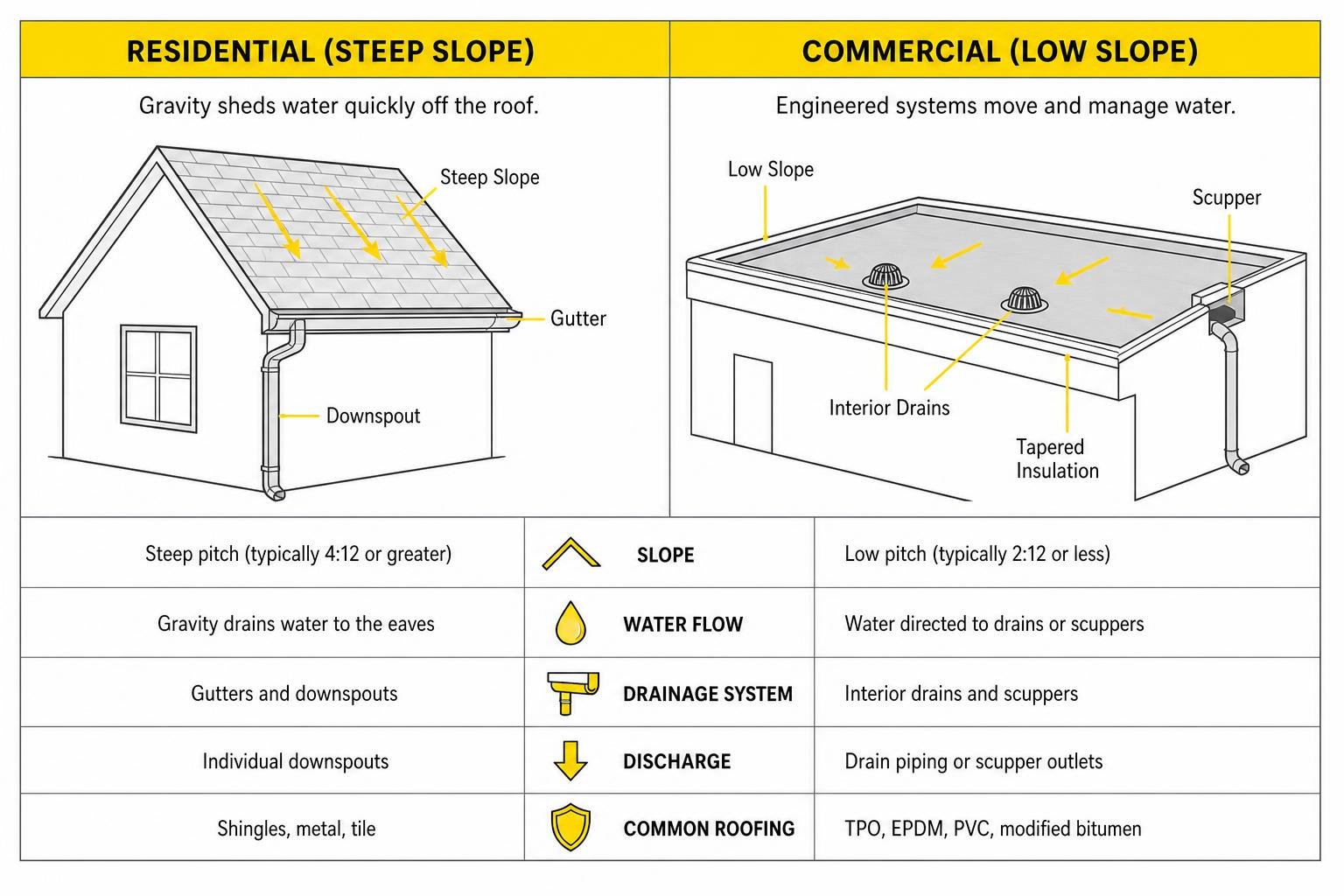
Understanding the structural differences between residential and commercial properties is essential when planning a project. While residential roofs are designed primarily to shed water quickly using steep slopes, commercial buildings typically feature flat or low-slope designs that require entirely different water management strategies.
- Slope and Drainage: Residential roofs rely on gravity and steep angles to direct water into gutters. Commercial flat roofs must utilize specialized drainage systems, tapered insulation, and scuppers to prevent water from ponding.
- TPO Membranes: Thermoplastic Polyolefin (TPO) is a single-ply reflective membrane widely used in commercial applications. Its white surface reflects UV rays, significantly reducing building cooling costs.
- EPDM Rubber: Ethylene Propylene Diene Monomer (EPDM) is an extremely durable synthetic rubber roofing membrane. It is highly resistant to extreme temperatures and ozone weathering, making it a staple for low-slope commercial structures.
- Modified Bitumen: This asphalt-based system is engineered for flat structures, utilizing multiple layers to provide exceptional resistance to standing water and physical wear.
- Spray Polyurethane Foam (SPF): Spray foam roofing is an innovative solution that seals leaks, eliminates seams, and adds high-grade insulation to commercial roofs in a single application.
Proper attic ventilation is the unsung hero of residential roof longevity. Without adequate intake and exhaust ventilation, heat and moisture build up in your attic space. This excess heat can literally bake your shingles from the inside out, causing premature cupping, cracking, and loss of protective granules.
Whether you need commercial or residential work, we recommend partnering with a specialist who understands these unique systems. You can learn more about our dedicated offerings by visiting our commercial roofing services and residential roofing services pages.
How to Choose a Qualified and Reputable Roofing Contractor
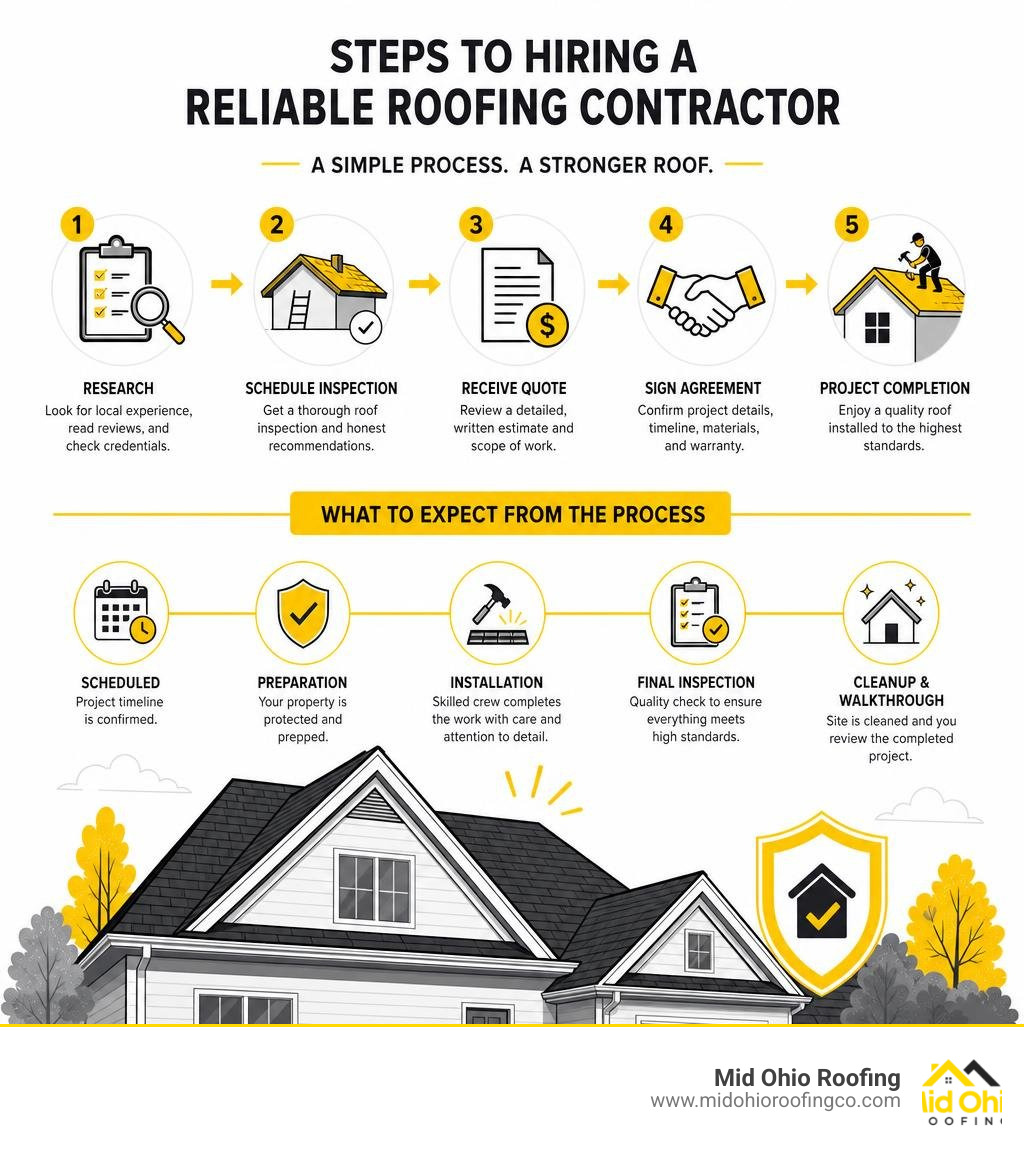
Selecting a roofing contractor requires diligent background checking. Unlike some states that have unified statewide licensing, Ohio handles contractor licensing and registration at the local municipal level. This means a contractor must be registered and bonded in the specific city or county where your home is located.
To protect your home and your finances, always request proof of the following credentials before signing a contract:
- General Liability Insurance: This covers any accidental damage to your home or property during the construction process. Never work with a contractor who carries less than $1 million in liability coverage.
- Workers’ Compensation Insurance: Roofing is inherently hazardous. If an uninsured worker is injured on your property, you could be held legally and financially liable for their medical bills.
- Written, Line-Item Estimates: A reputable contractor will never give you a vague, lump-sum hand-written price. Demand a transparent, detailed breakdown of material costs, labor, permits, and warranty fees.
Red Flags to Avoid When Hiring a Roofing Contractor
Unfortunately, the roofing industry has its share of bad actors. Knowing what to watch out for can save you from costly legal disputes and structurally compromised roofs.
- Door-to-Door Solicitors: Be highly cautious of individuals who knock on your door after a major storm offering “free” roofs. Reputable local contractors rarely rely on high-pressure, door-to-door sales tactics.
- Storm Chasers: These are out-of-town companies that travel from state to state following severe weather events. They swoop in, install cheap roofs quickly, collect the insurance money, and disappear. When issues arise a year later, their phone numbers are disconnected, leaving you with no warranty support.
- Unrealistically Low Bids: If a bid seems too good to be true, it is. Contractors who underbid significantly are usually cutting corners by using cheap materials, hiring uninsured crews, or failing to pull required municipal permits.
- No Physical Address: Always verify that the contractor has a real, physical office in your region, rather than just a P.O. Box or a temporary hotel room.
By choosing a truly local business with a verified reputation, you ensure long-term accountability. For instance, if you live in Knox County, working with an established provider of Mount Vernon, OH roofing services guarantees that your contractor will be there to honor their workmanship warranty for years to come.
The Value of Manufacturer Certifications for a Roofing Contractor
One of the most reliable ways to verify a contractor’s competency is to look at their manufacturer certifications. Major roofing manufacturers do not hand these credentials out lightly; they require rigorous background checks, financial stability, and ongoing training.
- GAF Master Elite: This status is held by less than 2% of roofing contractors nationwide. It requires ongoing professional training and allows the contractor to offer GAF’s strongest system warranties, including the Golden Pledge Warranty.
- Owens Corning Platinum Preferred: This is the highest tier of Owens Corning’s contractor network. It enables certified contractors to offer exclusive, lifetime workmanship and material warranties backed directly by Owens Corning.
- CertainTeed ShingleMaster: This credential ensures the crew has passed extensive testing on installation standards and building codes, allowing them to offer extended CertainTeed SureStart warranty protection.
When an uncertified contractor installs a roof, the material warranty is often limited. If they make a single installation mistake, the manufacturer can void the entire warranty. Certified contractors, however, install integrated roofing systems according to strict manufacturer specifications, protecting your investment completely.
Navigating Insurance Claims and Storm Damage Repairs
Central Ohio storms can cause severe wind and hail damage. When disaster strikes, navigating the insurance claim process can feel overwhelming. Knowing the correct steps to take will ensure your home is protected and your claim is handled fairly.
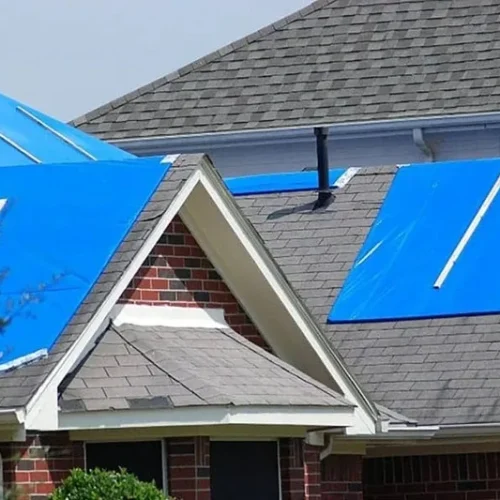
If you suspect your roof has sustained storm damage, follow this step-by-step approach:
- Document the Date and Details: Note the exact date and time the storm occurred. If safe to do so, take photos of hail on the ground or fallen tree limbs.
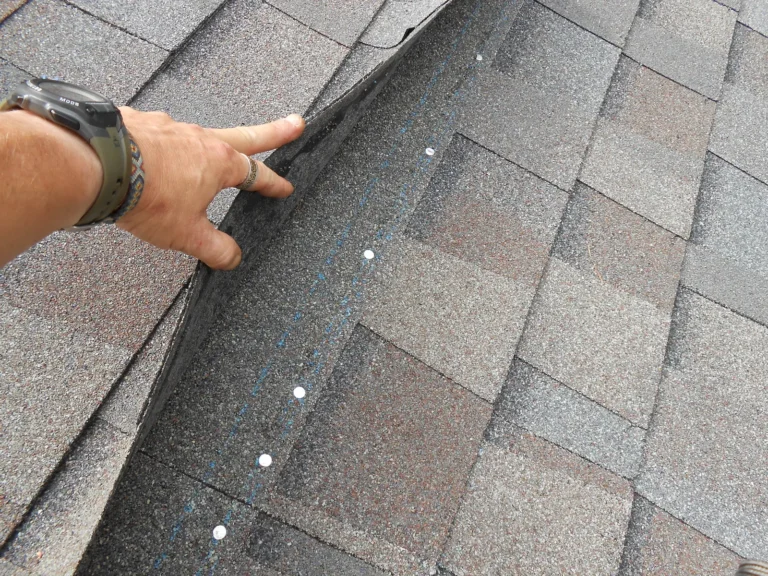
- Schedule a Professional Inspection: Do not climb onto your roof yourself. Call a trusted local professional to perform a comprehensive physical assessment. They will document damaged shingles, broken seals, and dented vents with clear photo evidence.
- File the Claim: Submit the contractor’s inspection report and photos to your insurance company to initiate the claim.
- Meet the Adjuster: Ensure your roofing contractor is present on-site when the insurance adjuster inspects your home. This ensures all structural damage is pointed out and documented collaboratively.
- Request Xactimate Documentation: Reputable contractors use Xactimate — the same estimating software used by major insurance adjusters. This ensures pricing is standardized, transparent, and aligned with industry guidelines.
If your initial insurance claim is denied, do not panic. Insurance companies frequently deny initial claims. A dedicated local contractor can help you appeal the decision by providing historical weather data, certified inspection reports, and detailed physical evidence of the damage.
While waiting for your claim approval, it is vital to prevent secondary water damage to your home’s interior. If your roof is actively leaking, contact us immediately for temporary tarping and emergency roof repairs to stabilize your property.
Legal Risks and the Truth About Insurance Deductibles
There is a common and dangerous misconception in the roofing industry: that a contractor can legally “cover,” “waive,” or “absorb” a homeowner’s insurance deductible.
Let us be completely clear: It is illegal for a contractor to waive your insurance deductible.
A property insurance policy is a legal contract between you and your insurer. The deductible is your agreed-upon financial responsibility. If a contractor claims they can replace your roof without you paying your deductible, they are committing insurance fraud. Often, these schemes involve the contractor submitting inflated or falsified invoices to the insurance company to make up the difference.
Under state consumer protection laws and standards supported by the National Roofing Contractors Association (NRCA), both the contractor and the homeowner can face criminal charges for participating in deductible-waiving schemes. Furthermore, a contractor willing to break the law to win your business is highly likely to cut corners on your roof installation, use low-grade materials, or vanish when warranty issues arise. Always protect yourself by paying your legal deductible and demanding a transparent, compliant transaction.
Frequently Asked Questions About Roofing Services
We believe that an educated homeowner is a confident homeowner. Here are the answers to some of the most common questions we receive about roofing projects.
How long does a typical residential roof replacement take?
For most standard residential homes, a professional crew can complete a full roof replacement in one day.
The process begins early in the morning with the setup of protective tarps around your landscaping. The crew then tears off the old shingles down to the bare wood deck. After inspecting the wood for rot and replacing any damaged decking, they install the new underlayment, ice and water shields, shingles, and ventilation systems.
Once the installation is complete, the crew performs a meticulous cleanup, using magnetic sweepers to collect stray nails and staples from your yard and driveway before conducting a final quality inspection.
How often should I schedule professional roof inspections?
We recommend scheduling a professional roof inspection at least once a year, as well as immediately following any severe storm events.
Annual roof inspections allow us to catch minor wear and tear—such as unsealed flashing around chimneys, cracked pipe boots, or minor wind damage—before they turn into expensive interior leaks. These routine assessments also include a ventilation check to ensure your attic is breathing properly, which maximizes the lifespan of your shingles.
What should I do if my roof leaks during a storm?
If your roof begins leaking during an active storm, take immediate action to protect your home’s interior:
- Contain the Water: Place buckets or plastic bins under the drip.
- Move Valuables: Clear furniture, electronics, and personal items away from the wet area.
- Do Not Go On the Roof: Never attempt to climb onto a wet, slippery roof during a storm.
- Call for Emergency Service: Contact a professional team immediately.
We provide rapid emergency response and temporary tarping services to stop water intrusion and protect your home until the weather clears and permanent repairs can be made. You can reach our emergency dispatch team directly at 855-955-3871.
Conclusion
Your roof is your home’s first and most critical line of defense. When it comes to maintaining its safety, durability, and beauty, choosing the right roofing contractor makes all the difference.
Central Ohio weather is tough on roofs, but partnering with a local, licensed, and insured expert ensures your home is prepared for whatever the seasons bring. At Mid Ohio Roofing, we combine traditional craftsmanship with modern, high-performance materials to deliver roofs that are built to last. We believe in transparent pricing, clear communication, and absolute integrity in every project we undertake.
Don’t wait for a minor leak to become a major headache. Contact us today to schedule your professional consultation and experience the peace of mind that comes with a secure roof. To get started, visit our roofing services page or call us directly to speak with an expert.