
When Your Roof Fails, Every Minute Counts
Emergency roofing services near me are available 24/7 and can typically reach your home within 45 minutes to 2 hours. When you need a reliable roofing contractor in Ohio, acting quickly is the only way to prevent catastrophic water damage. According to the National Roofing Contractors Association, immediate temporary repairs are essential to maintaining the structural integrity of a storm-damaged building.
Here’s what to do right now if your roof is damaged:
- Call an emergency roofer immediately at (740) 787-2751 – don’t wait until morning
- Stay out of rooms where the ceiling is sagging or actively leaking
- Place buckets under active drips to protect floors and belongings
- Take photos from the ground – document everything for your insurance claim
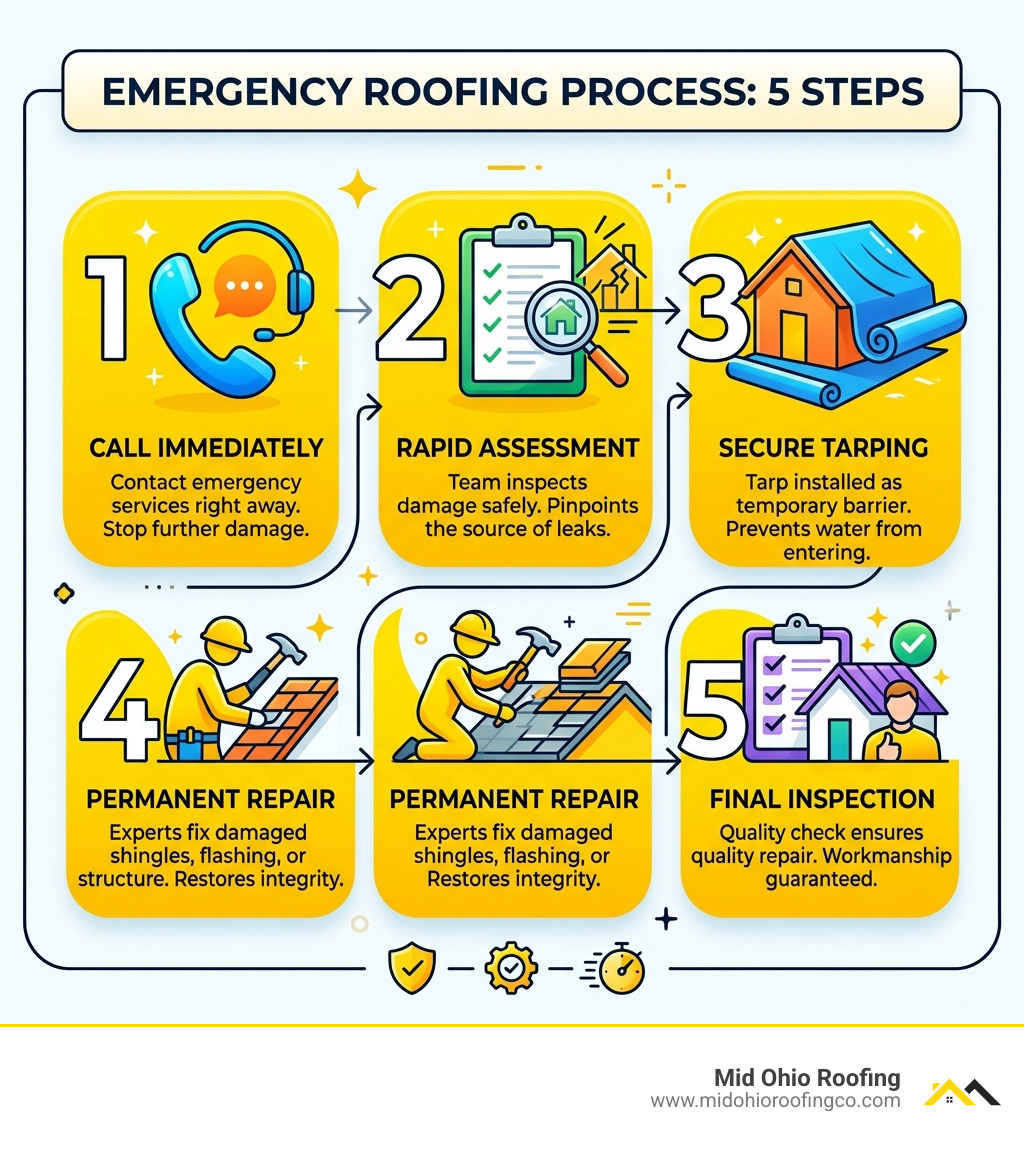
- Expect a tarp first – crews stabilize the roof before permanent repairs begin
A damaged roof isn’t just a maintenance problem. Water gets in fast, and structural rot, mold, and interior damage can follow within hours. Whether it’s a fallen tree, blown-off shingles, or a sudden leak during a storm, the right response is the same: act immediately.
Mid Ohio Roofing serves homeowners across Ohio – from Columbus to Mount Vernon – with fast, dependable emergency roof repairs built for Ohio’s unpredictable weather.
I’m Albert Wengerd, owner of Mid Ohio Roofing, and I’ve personally overseen hundreds of storm damage repairs, leak responses, and emergency roofing projects across central Ohio. When homeowners search for emergency roofing services near me, my goal is simple: get there fast, stop the damage, and make the process as stress-free as possible.
Identifying a Roofing Emergency That Requires Immediate Attention
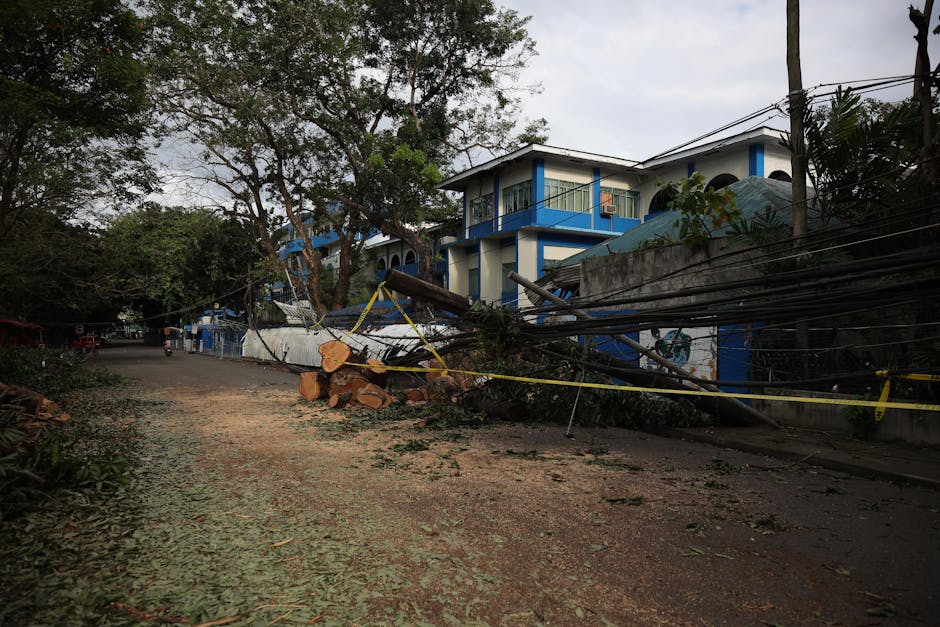
Not every missing shingle is a crisis, but when the structural integrity of your home is at risk, you are facing a true emergency. A roofing emergency is defined as any situation where the roof no longer provides a secure barrier against the elements, leading to potential interior damage or safety hazards.
In Ohio, we see everything from 70-mph straight-line winds to heavy lake-effect snow. These conditions can turn a small vulnerability into a major catastrophe in minutes. Key indicators that you need to call for emergency roofing include:
- Active, Heavy Leaks: If water is pouring into your living space, it’s an emergency. Water intrusion can quickly compromise your electrical system and lead to structural rot.
- Structural Sagging: A roof that appears to be dipping or bowing is a sign of imminent collapse, often caused by heavy snow loads or weakened support beams.
- Fallen Trees or Debris: Large limbs or entire trees puncturing the roof deck require immediate stabilization and debris removal.
- Fire Damage: Even if the fire was small, the heat can compromise the chemical bonds in shingles and the structural strength of the decking.
- Large Sections of Missing Shingles: If the underlayment or wood decking is visible, your home is completely vulnerable to the next rain cloud.
If you suspect a leak but aren’t sure where it’s coming from, professional roof leak detection is the first step. According to GAF, one of the world’s leading roofing manufacturers, high winds and hail are the leading causes of sudden shingle displacement, often requiring immediate professional intervention to prevent secondary water damage.
What to Expect from Emergency Roofing Services Near Me
When you search for emergency roofing services near me in May 2026, you should expect more than just a voicemail. A reputable contractor provides 24/7 availability because storms don’t keep office hours. Our team at Mid Ohio Roofing prioritizes rapid dispatch, often arriving within 45 minutes to 2 hours of your call.
The goal of the initial visit is “triage.” We focus on:
- Immediate Assessment: Identifying the source of the breach safely.
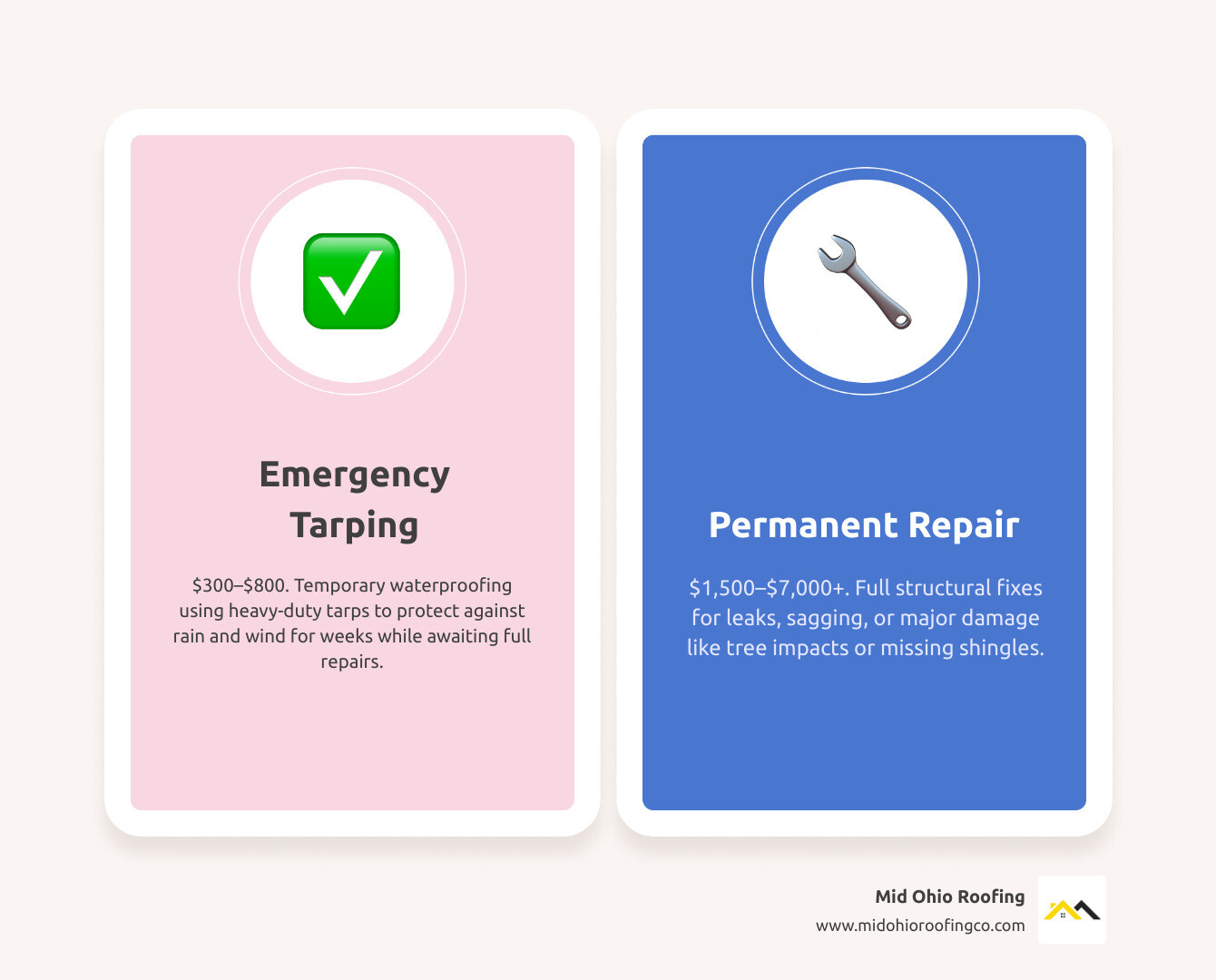
- Emergency Tarping: Using heavy-duty, reinforced tarps to seal the opening. Emergency tarping can provide protection for several weeks while permanent repairs are planned.
- Board-up Services: If a tree has created a large hole, we use plywood to secure the structure against both weather and intruders.
Industry response standards suggest that a protective tarp should be installed within 24 hours of the damage occurring to effectively mitigate insurance losses.
Common Materials Handled by Emergency Crews
A versatile emergency team must be equipped to handle various roofing systems. Whether your property is a classic residential home or a large commercial facility, the repair approach varies:
- Asphalt Shingles: The most common material in Ohio. We carry emergency sealants and matching shingles for quick roof repairs.
- Metal Roofing: These systems are durable but can suffer from panel uplift during high winds. Emergency fixes involve re-fastening panels or using specialized metal-to-metal sealants.
- Flat and Low-Slope Roofs: Common in commercial settings, these roofs are prone to “ponding” water. Emergency crews use TPO patches or modified bitumen sealants to stop leaks on flat surfaces.
Navigating Costs and Insurance for Emergency Roofing Services Near Me
One of the most stressful parts of a roofing crisis is the financial uncertainty. Understanding the typical price points can help you make informed decisions under pressure.
| Service Type | Estimated Cost Range | Notes |
|---|---|---|
| Emergency Tarping | $300 – $800 | Depends on roof pitch and size of area |
| Minor Leak Repair | $380 – $1,100 | Often involves flashing or shingle replacement |
| Major Structural Repair | $1,500 – $7,000 | Required for sagging or tree impact |
| Full Roof Replacement | $5,890 – $12,800+ | Average Ohio cost for standard homes |
Most homeowners spend approximately $1,100 on a standard roof repair project. However, in an emergency, the priority is often the storm damage roofing claim process.
Reputable contractors assist with insurance by providing detailed photo documentation and “adjuster-ready” reports. This is vital because most policies cover sudden storm damage but may deny claims if the damage is exacerbated by a delay in seeking professional help. For a deeper dive, check out this insurance claim assistance guide which explains how to maximize your coverage. According to Owens Corning, documenting the date of the storm and the specific damage is the most critical step for a successful claim.
Why Local Expertise Matters in Ohio Weather
Hiring a “storm chaser” (out-of-state contractors who follow storms) can be a recipe for disaster. Local expertise matters because Ohio weather is unique. We understand the “wind funnel” effects that happen in areas like Newark and the heavy hail patterns often seen near Zanesville.
Whether you are in Mount Vernon or New Albany, a local roofer knows which materials stand up best to our freeze-thaw cycles. We specialize in identifying hail damaged roofs that might look fine from the ground but have compromised granules that will lead to leaks by next winter.
Immediate Steps to Take While Waiting for Emergency Roofing Services Near Me
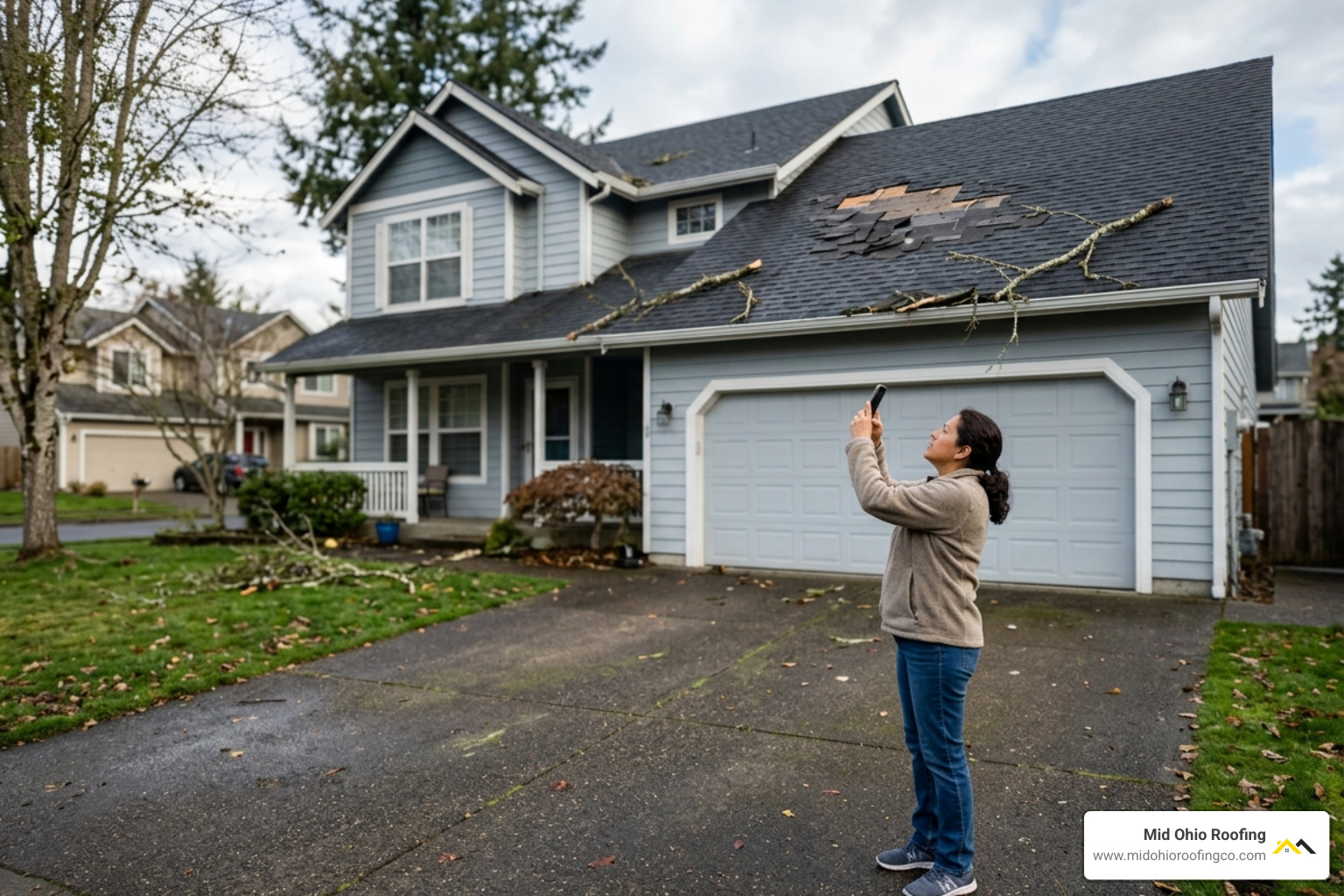
While you wait for our crew to arrive, your primary focus should be safety and documentation. Never attempt to climb onto a wet or damaged roof yourself.
- Safety First: If you see sagging ceilings or smell electrical burning, evacuate the area. Turn off the main water or electricity if leaks are near outlets.
- Document from the Ground: Take clear photos of the damage, fallen branches, or missing shingles. These are essential for your insurance adjuster.
- Mitigate Interior Damage: Place buckets under drips. If water is pooling in a ceiling, a small “pilot hole” in the center of the sag can allow water to drain into a bucket, preventing the entire ceiling from collapsing.
- Clear the Way: If it’s safe, move vehicles out of the driveway to give the emergency roofing trucks clear access to the house.
Identifying wind damaged roofs early can save you thousands in interior restoration. Following emergency tarping safety protocols ensures that no one is injured while trying to protect the property.
Common Mistakes to Avoid During a Crisis
When panic sets in, it’s easy to make choices that hurt you in the long run. Avoid these common pitfalls:
- DIY Tarping: Climbing a ladder during a rainstorm is incredibly dangerous. Furthermore, an improperly secured tarp can act like a sail, causing more damage to your roof’s structure.
- Ignoring “Small” Leaks: A small drip in May 2026 can become a mold colony by June. Always have a roofer near me inspect even minor leaks after a storm.
- Signing with the First Door-Knocker: Many non-local companies emerge after a storm. Ensure your contractor is licensed, insured, and has a physical presence in Ohio.
Preventing Future Disasters Through Maintenance and Inspections
The best way to handle a roofing emergency is to prevent it from ever happening. Most “sudden” failures are actually the result of long-term wear that finally gave way during a storm.
Regular roof inspections should be performed at least twice a year – once in the spring and once in the fall. During these checks, we look for:
- Clogged Gutters: Water that can’t drain off the roof will back up under the shingles, causing rot.
- Damaged Flashing: The metal seals around chimneys and vents are the most common leak points.
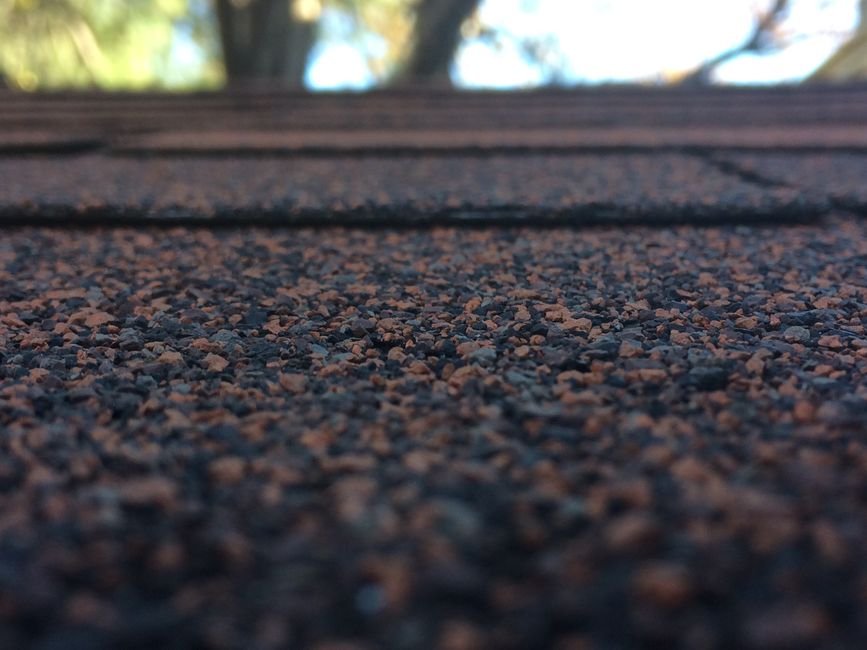
- Granule Loss: If your gutters are full of “sand,” your shingles are reaching the end of their life and won’t survive the next hail storm.
According to CertainTeed, a leading manufacturer of building materials, proactive maintenance can extend the life of your roof by identifying small issues before they become structural emergencies. Furthermore, preventive maintenance research shows that homeowners who invest in minor annual repairs save an average of 45% over the life of their roof compared to those who only react to emergencies.
Frequently Asked Questions about Emergency Roofing
How quickly can a roofer respond to an emergency?
At Mid Ohio Roofing, we aim for a response time of 45 minutes to 2 hours for calls within our service areas like Columbus, Newark, and Zanesville. During major regional storms, response times may vary, but we always prioritize homes with active interior leaks or structural damage.
Does homeowners insurance cover emergency tarping?
Yes, most standard homeowners insurance policies cover the cost of “temporary repairs” (like tarping) intended to prevent further damage. In fact, many policies require you to take these steps to mitigate loss. We provide the necessary documentation to help ensure these costs are reimbursed.
Are emergency roofing services available on weekends and holidays?
Absolutely. Roofing emergencies don’t wait for Monday morning. We provide 24/7/365 coverage, including holidays and weekends, because protecting your home is a full-time job.
Conclusion
A roofing crisis is overwhelming, but you don’t have to face it alone. From the moment you search for emergency roofing services near me to the final inspection of your permanent repair, Mid Ohio Roofing is committed to providing Ohio homeowners with transparent pricing, local expertise, and rapid response.
We serve Mount Perry, Columbus, Cincinnati, Mount Vernon, and the surrounding Central Ohio communities. Our teams are licensed, insured, and ready to secure your home against whatever the Ohio sky throws your way.
Don’t let a leak turn into a flood.
Contact our emergency team online for immediate assistance. Ready to see the full extent of the damage? Schedule your emergency storm damage assessment today and let us help you get back to normal.