
Climate Impacts on Cincinnati Commercial Roofing
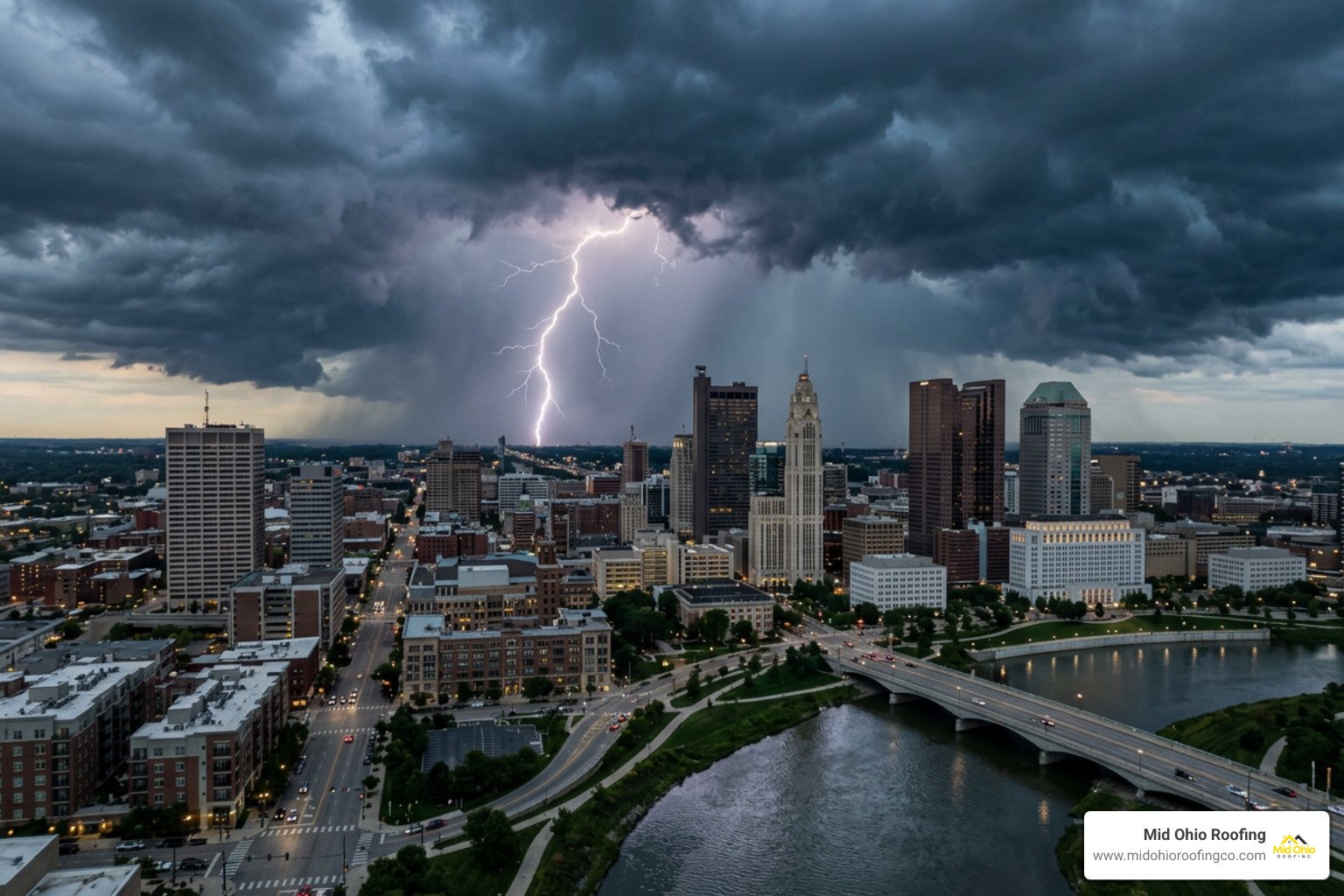
Cincinnati commercial roofing must be engineered for heavy rainfall, snow loading, high heat, freeze-thaw movement, and severe storm wind. The weather in Cincinnati presents a tough environment for high-performing commercial building envelopes. Positioned in a humid continental transition zone, the Queen City endures extreme environmental shifts every year. Cincinnati receives an average of 45.26 inches of rain and 23.3 inches of snowfall annually. Working with an experienced commercial roofing contractor helps protect facility structural integrity against these regional elements.
Summer highs routinely surpass 90°F, while winter lows plummet into sub-zero territory, creating severe temperature drops. These severe swings expose commercial properties across Hamilton County to aggressive weather forces. Roof membranes expand in the direct summer sun and rapidly contract when cold rain or sudden winter cold fronts sweep in. Without a durable membrane and proper structural design, commercial building covers quickly suffer structural fatigue, material breakdown, and moisture entry. Local building managers must prepare for severe weather, tornadic wind shear, and sudden downpours by relying on emergency storm damage roofing Cincinnati strategies and rapid emergency roofing response plans to maintain facility integrity.
Thermal Expansion and Freeze-Thaw Stress
Thermal expansion and freeze-thaw cycles rank high among structural causes of flat roof failure in Ohio. During summer, dark roof surfaces absorb immense radiant energy, reaching temperatures up to 150°F or higher. Rapid cooling during summer thunderstorms induces thermal shock, straining structural fasteners, flashings, and welded seams.
When winter arrives, standing water trapped in hairline membrane fissures, concrete substrate spalls, or parapet joints freezes and expands. This ice movement widens small micro-cracks into major structural gaps. To combat these forces, commercial roof assemblies must maintain superior thermal resistance (R-value) insulation ratings and flexible membrane characteristics capable of absorbing ongoing substrate movement without cracking.
Heavy Rainfall and Severe Storm Protection
With over 45 inches of rain falling annually, water disposal is critical for local commercial properties. Flat and low-slope roofing systems require precise slope design to ensure continuous drainage toward perimeter scuppers, gutters, and internal drain lines.
Ponding water—defined as standing water that lingers on a roof membrane longer than 48 hours after rain stops—causes several critical issues:
- Accelerated UV degradation of uncovered membrane surfaces
- Substantial concentrated static load stress on the roof deck structure
- Accelerated breakdown of lap seams, adhesives, and flashing seals
- Vegetation growth and debris collection that block primary drainage points
During severe seasonal storms, rapid precipitation can easily overwhelm clogged drain basins, leading to localized water accumulation. Implementing routine preventive site inspections and rapid emergency protocols ensures that minor seam separations are remediated long before major indoor water damage interrupts ongoing business operations.
Commercial Architectural Styles and Roofing Materials in Cincinnati
Cincinnati’s architectural character ranges from modern glass-and-steel downtown towers to historic brick industrial hubs and sprawling logistics facilities near the Cincinnati/Northern Kentucky International Airport (CVG). Choosing the right commercial roofing system depends heavily on structural loading limits, functional building use, slope, and aesthetic goals.
| Material Type | Typical Lifespan | Primary Advantages | Best Suited For | Ohio Climate Performance |
|---|---|---|---|---|
| TPO (Thermoplastic Polyolefin) | 20 – 30 Years | Highly reflective, energy-efficient, heat-welded leakproof seams | Logistics centers, retail hubs, warehouses | Excellent UV and heat resistance; strong wind uplift |
| EPDM (Ethylene Propylene Diene Monomer) | 25 – 35 Years | High flexibility, thermal shock resistance, low maintenance cost | Large distribution centers, industrial manufacturing | Superior freeze-thaw resilience; highly flexible |
| Standing Seam Metal | 40 – 60+ Years | Maximum durability, wind resistance, historic visual appeal | Architectural facilities, urban mixed-use, steep-slope | Industry-leading longevity; withstands heavy hail |
| Modified Bitumen | 15 – 20 Years | Multi-ply durability, puncture resistance, high foot-traffic tolerance | Urban commercial roofs, HVAC maintenance access | Strong impact resistance; excellent waterproofing |
Single-Ply Membranes for Logistics and Warehousing
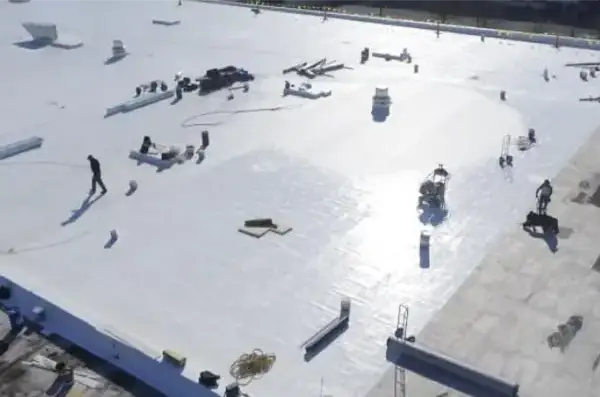
Single-ply membranes dominate the industrial real estate footprint across Greater Cincinnati. Thermoplastic Polyolefin provides exceptional energy efficiency through bright white solar reflective surfaces. This heat-reflective surface significantly decreases HVAC cooling demands during hot July afternoons. TPO features hot-air welded seams that form a continuous physical barrier far stronger than chemically glued seams.
For facilities seeking unmatched cold-weather performance and impact protection, Ethylene Propylene Diene Monomer delivers exceptional synthetic rubber durability. EPDM stays naturally flexible even during extreme sub-zero weather, resisting rubber embrittlement and surface cracking. Leading manufacturers like GAF Commercial Systems produce specialized single-ply membrane packages engineered to resist wind uplift forces while accommodating significant thermal contraction.
Architectural Metal and Structural Roof Systems
Commercial structural metal roofing provides unmatched long-term return on investment for high-end retail, office buildings, and historic restoration sites. Standing seam metal panels hide mechanical fasteners under concealed clip systems, preventing open exposure to rainfall and moisture.
Metal assemblies deliver key benefits:
- Extreme Longevity: Often outperforms standard single-ply membranes by two to three decades with basic upkeep.
- Superior Uplift Ratings: Concealed clip structural connections easily handle severe storm winds and turbulence.
- Architectural Flexibility: Available in custom profile finishes that align with modern architectural design or historic neighborhood preservation guidelines.
Many commercial building upgrades also incorporate performance insulation board from premium manufacturers like Owens Corning Systems beneath metal panels to boost energy savings and sound dampening.
Flat Roof Systems for Urban and Mixed-Use Buildings
Dense urban neighborhoods feature hundreds of classic low-slope multi-family and commercial properties. Specialized flat roof systems utilize custom multi-layer protection built specifically for low-slope drainage challenges.
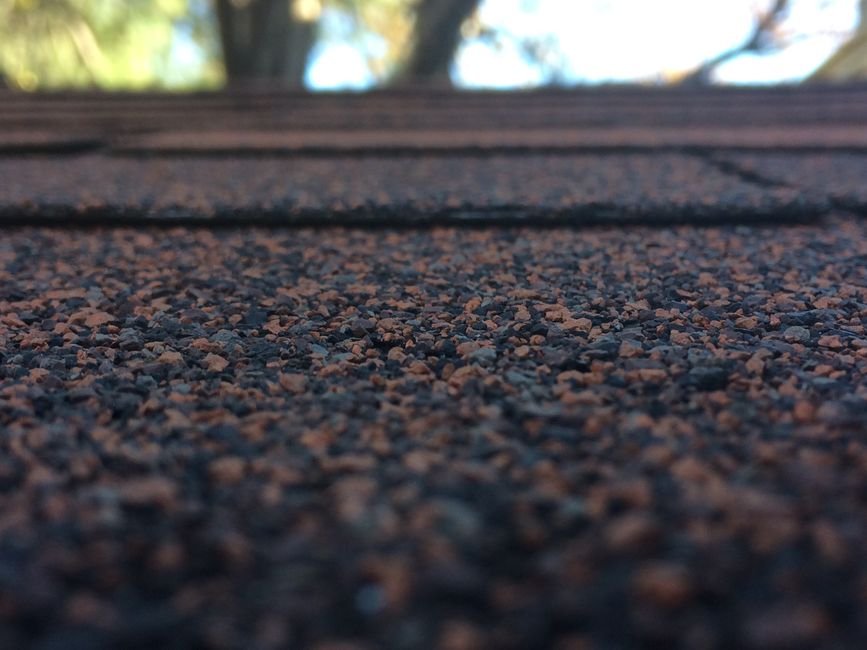
Modified bitumen applications deliver exceptional multi-ply waterproofing strength by layering polymer-toughened asphalt sheets reinforced with fiberglass or polyester mats. Granule-surfaced cap sheets resist heavy foot traffic near HVAC equipment, while gravel or stone ballast layers anchor underlying insulation boards against wind uplift across downtown roofscapes.
Regulatory Compliance, Building Codes, and Historic Preservation
Commercial roofing projects within Cincinnati must comply strictly with municipal regulations, Hamilton County building codes, and state energy requirements. Additionally, working within designated historic districts demands careful coordination with local historical guidelines to preserve historic aesthetics. Navigating these requirements smoothly requires experienced project management and clear understanding of municipal processes, as detailed in our guide on Cincinnati roof replacement 101.
Navigating Permitting and Code Enforcement
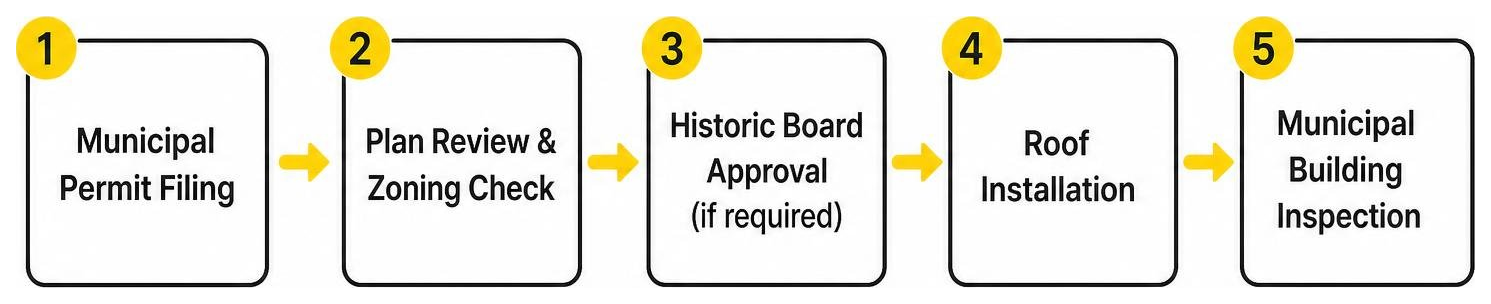
Commercial property upgrades require official building permits issued through the City of Cincinnati Department of Buildings and Inspections before starting tear-off or structural modifications. Local building officials evaluate several key performance criteria:
- Structural Deck Loading: Ensuring existing concrete, wood tongue-and-groove, or corrugated steel decks can safely support new membrane layers, insulation, and ballast weight.
- Fire Classifications: Verifying assembly ratings meet minimum UL Class A or Class B exterior flame spread standards.
- Thermal Insulation Standards: Enforcing continuous energy insulation guidelines (R-value minimums) to meet Ohio Energy Code standards.
- Zoning Hearing Reviews: Reviewing structural parapet adjustments or height modifications against local zoning hearing examiner dockets.
Historic District Mandates in Over-the-Rhine and Downtown
Cincinnati features incredible architectural heritage, showcased prominently in historic neighborhoods like Over-the-Rhine (OTR). Commercial building restorations located within designated historic conservancies must receive approval from the Cincinnati Historic Conservation Board before changing exterior structural elements.
Commercial contractors must closely match original architectural details when working on historic structures. Re-roofing projects often require natural slate tiles, standing seam copper flashing, or custom color-matched metal profiles to maintain authentic historical character while integrating modern waterproofing underlayments behind the scenes.
Essential Roof Maintenance, Repairs, and Inspections
Commercial roof systems represent significant capital investments. Without structured commercial roof inspections and proactive upkeep, subtle environmental damage can quickly worsen, leading to premature substrate decay, ruined insulation deck boards, and costly interior business interruptions.
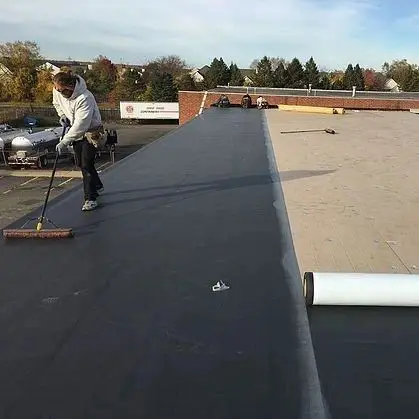
Proactive Maintenance vs. Reactive Roof Repairs
Relying strictly on reactive repairs after interior ceiling water stains appear costs significantly more than maintaining a planned preventative maintenance program. Water often enters a roof membrane many feet away from where it eventually drips into an interior room, traveling along internal structural beams and insulation joints.
Proactive maintenance programs incorporate powerful Diagnostic techniques:
- Infrared Thermal Imaging: Pinpointing hidden moisture pockets trapped underneath outer membrane layers without destructive testing.
- Core Sample Analysis: Extracting small cross-section cores to verify substrate soundness, moisture absorption levels, and insulation deck condition.
- Drainage Clear-Out Routines: Clearing leaves, trash, and biological growth from scuppers, strainers, and downspouts before rain hits.
Prompt commercial roof repairs—such as patching minor membrane punctures, re-welding open seam sections, or re-sealing aging parapet wall flashings—help prevent localized moisture intrusion from forcing a full system teardown. For more insight on selecting a qualified commercial roofing partner, review our practical guide to commercial roofing contractors.
Comprehensive Roof Replacement Protocols
When a commercial roofing assembly reaches the end of its serviceable lifespan, property owners must choose between a complete tear-off and a re-cover overlay application.
- Complete Tear-Off: Required when underlying insulation decks contain widespread moisture or when multiple membrane layers exist. Stripping down to the bare deck allows structural repairs, deck reinforcement, and installation of high-efficiency insulation boards.
- Re-Cover Overlay: A cost-effective option when the underlying deck is completely dry and structurally sound, allowing a single new membrane layer to be installed directly over the existing roof.
Choosing a complete commercial roof replacement provides clean slate reliability, allowing owners to upgrade insulation and secure comprehensive manufacturer NDL (No Dollar Limit) labor-and-material warranties. For a deep dive into comprehensive roof replacement strategies across central and regional Ohio facilities, read our ultimate guide to commercial roof replacement in Springfield and beyond.
Frequently Asked Questions About Commercial Roofing
What is the most durable material for cincinnati commercial roofing systems?
For flat and low-slope applications, single-ply TPO and EPDM offer exceptional durability against extreme weather, wind uplift, and moisture exposure. TPO excels at reflecting intense summer heat, while rubber EPDM provides superior expansion flexibility during freezing winter weather. For steep-slope architectural structures, standing seam metal panels are the most durable choice, providing a 40 to 60+ year lifespan with minimal maintenance required.
How do historic preservation codes affect cincinnati commercial roofing replacements?
If your commercial building is located within a historic district like Over-the-Rhine, all exterior renovations—including roofing replacement—must receive design review approval from the local Historic Conservation Board. These regulations often require matching historic materials like natural slate, copper flashing, or specific standing seam metal colors to preserve historical visual character while upgrading underlying moisture protection.
How often should commercial building owners schedule professional roof inspections?
Commercial roof systems should receive professional inspections at least twice per year: once in the spring to evaluate winter freeze-thaw damage, and once in late fall to clear drainage systems and prepare for snow accumulation. Additionally, comprehensive inspections should occur immediately following severe weather events, high-wind storms, or major hail events to document physical damage for insurance coverage.
Partner with Ohio’s Commercial Roofing Experts
Maintaining a sound, leak-free commercial roof is essential for protecting your property investments, building occupants, and daily business operations across the Greater Cincinnati region. From complex downtown flat roof restorations to large-scale industrial distribution center projects, choosing an experienced contractor with deep local expertise makes all the difference.
Our skilled team at Mid Ohio Roofing delivers specialized installation, repair, and inspection solutions for commercial properties throughout Cincinnati and central Ohio. We bring decades of hands-on experience navigating Ohio’s climate challenges, municipal codes, and historic district standards with complete pricing transparency and emergency repair response.
Ready to protect your commercial building with long-lasting roofing solutions? Contact our team today to schedule your thorough commercial roof assessment. You can also explore our complete line of services on our specialized commercial roofing Cincinnati hub to learn more about our customized roof protection plans.