
Why Metal Roofing Is the Fastest-Growing Roof Choice for Ohio Homeowners
metal roofing is now the second most popular roofing material in the United States — and it’s growing fast. As a premier Ohio roofing contractor, we help homeowners navigate these durable options. Here’s a quick summary of what you need to know:
| Feature | Metal Roofing |
|---|---|
| Lifespan | 40–70+ years |
| Fire Rating | Class A (highest) |
| Hail Rating | UL2218 Class 4 (highest) |
| Energy Savings | Up to 40% on cooling costs |
| Weight | Up to 1.6 lbs/sq ft (very lightweight) |
| Recyclability | Up to 95% recycled content (aluminum) |
| Cost Recouped | 85.9%–95.5% at resale |
Residential metal roofing demand hit a record-high 18 percent of all U.S. re-roofing projects in 2022 — up 6 percent in just three years. That’s not a coincidence. Homeowners across Ohio are replacing worn-out asphalt shingles with metal systems that last decades longer, stand up to brutal weather, and lower energy bills year after year.
Ohio’s climate is hard on roofs. Heavy snow, ice dams, hailstorms, and high winds push standard asphalt shingles to their limits. metal roofing is engineered to handle all of it — and then some. Whether you’re dealing with storm damage or simply planning ahead, understanding your expert roofing services options is the first step toward making a smart, long-term investment in your home.
I’m Albert Wengerd, owner of Mid Ohio Roofing, with hands-on experience installing and replacing metal roofing systems across central Ohio. My team works directly with homeowners navigating everything from routine replacements to emergency repairs, and I’ve seen how the right metal roof performs through Ohio’s toughest seasons.
Types of Metal Roofing Materials
When we talk about metal roofing, we aren’t just talking about one single product. There are several distinct metals used in the industry, each with its own “personality,” price point, and performance level. Choosing the right one depends on your budget and how long you plan to stay in your home.
- Steel: This is the workhorse of the residential market. Most steel roofs are treated with a zinc coating (Galvanized) or a combination of zinc and aluminum (Galvalume) to prevent rust. It is incredibly durable and is usually the most cost-effective way to get a metal roof on your home.
- Aluminum: If you live in an area prone to high humidity or if you simply want a roof that will never rust, aluminum is your best friend. It is naturally corrosion-resistant. Interestingly, aluminum roofs are incredibly eco-friendly, often composed of approximately 95% recycled material.
- Copper: Often called the “grandfather” of roofing, copper has been used for centuries. It doesn’t rust; instead, it develops a beautiful green patina over time. It can last 100 to 200 years, but it comes with a premium price tag—typically 2 to 4 times the cost of steel.
- Zinc: Similar to copper, zinc is a “living” metal that heals its own scratches over time through a patination process. It is also remarkably sustainable, requiring just one-quarter of the energy to process compared to steel or copper.
Whether you need a full roof replacement or a specialized installation, our team at Mid Ohio Roofing can help you weigh these material costs against their long-term benefits.
Residential Metal Roofing Styles
Gone are the days when metal roofing only meant “barn tin.” Today’s styles allow you to achieve almost any look you want for your home.
- Standing Seam: This is the gold standard for modern residential homes. It features vertical ribs with concealed fasteners. A popular choice for homeowners who want a clean, sleek look is the Meridian Snap Together Standing Seam Roofing by McElroy Metal. It offers that high-end architectural look with a simplified installation process.
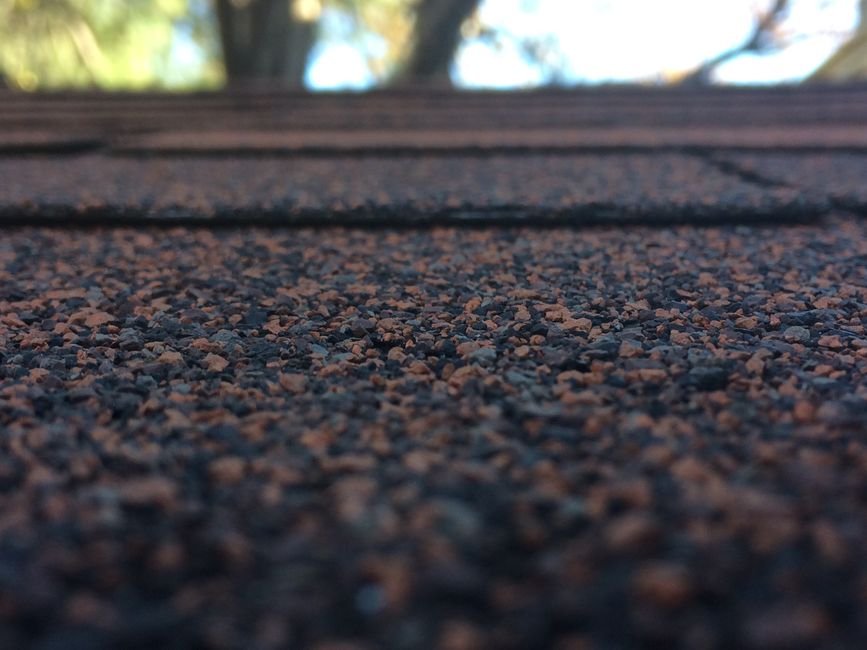
- Stone-Coated Metal: If you love the look of traditional asphalt shingles, clay tile, or wood shakes but want the strength of steel, this is for you. Natural stone granules are adhered to the steel to provide texture and color depth.
- Metal Shingles and Tiles: These are panels pressed into shapes that mimic slate or cedar. They offer a classic aesthetic while providing the fire and wind resistance only metal can offer.
Performance Benefits of Metal Roofing

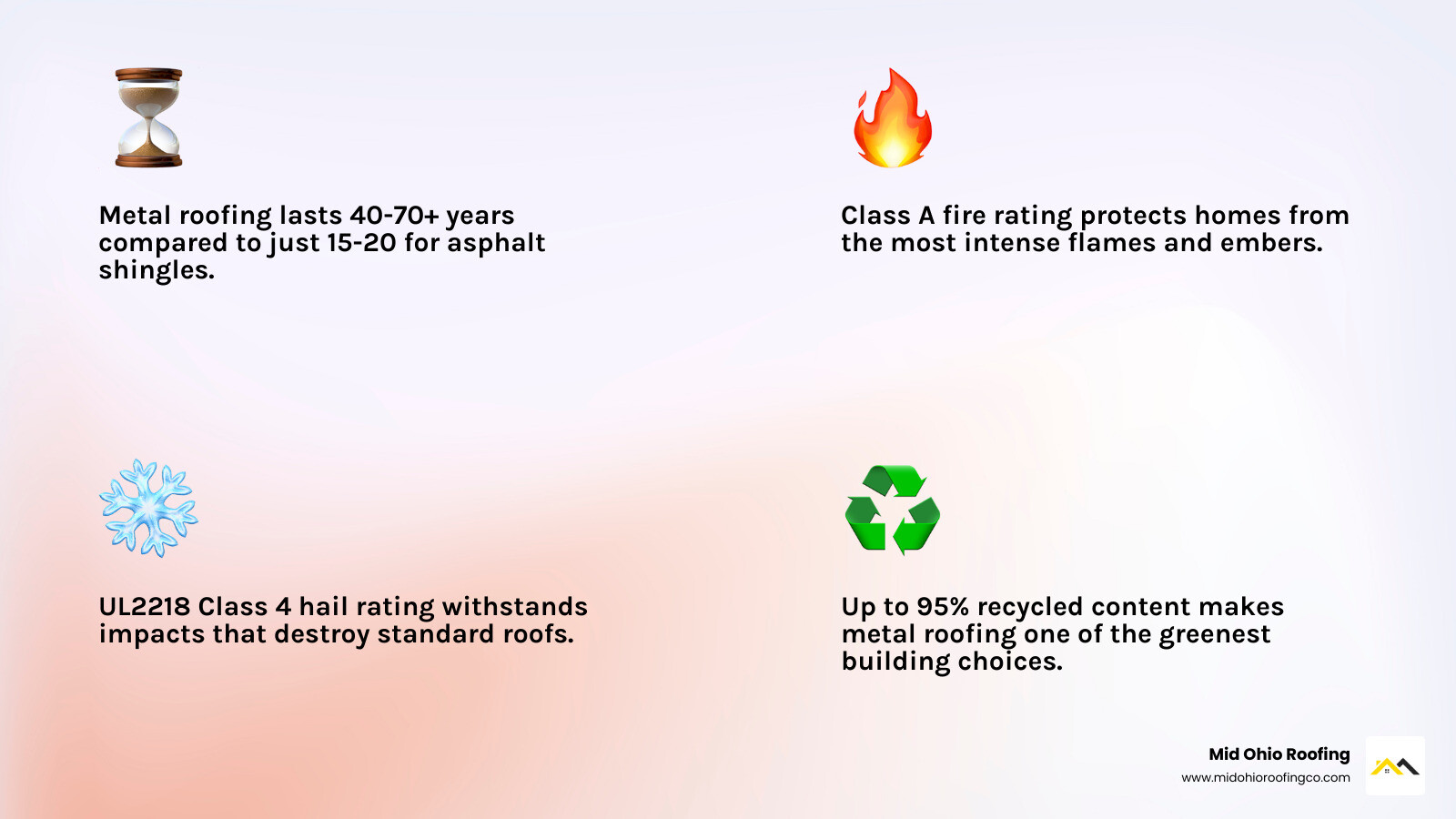
The primary reason we see homeowners in places like Zanesville and Mount Vernon switching to metal is performance. While a standard asphalt roof might last 15 to 25 years, metal roofing systems are designed to last 40 to 70 years or more.
One of the biggest advantages for Ohioans is the Class A fire rating. Metal is non-combustible, providing a critical layer of protection against external fire spreads. Furthermore, most metal roofs carry a UL2218 Class 4 impact resistance rating. This means they can withstand 2-inch hailstones dropped from 20 feet without fracturing. If your current roof has been battered by the elements, you might need our storm damage roofing services to assess whether a metal upgrade is the right move for your insurance claim.
Energy Efficiency and Environmental Impact
metal roofing is one of the most eco-friendly choices you can make. Beyond being recyclable, it is a “cool roof” material. High-quality metal reflects solar radiant heat rather than absorbing it. This can reduce cooling costs by up to 40% during those humid Ohio summers.
For commercial or high-efficiency residential projects, products like Insulated Standing Seam Roofing from Metl-Span take this a step further. These composite panels include a foam core that provides incredible R-values (thermal resistance) in a single installation step. The foam used is often zero-ozone-depleting, making it a win for both your wallet and the planet.
Weather Resistance in the Midwest
In Ohio, we deal with everything from 60 mph wind gusts to heavy ice loads. metal roofing is uniquely suited for this. Many systems are warranted for winds up to 120 mph and are even approved for use in high-velocity hurricane zones.
Because metal is smooth and sheds heat quickly, snow and ice tend to slide off rather than sitting and forming dangerous ice dams. This protects your gutters and prevents water from backing up under your shingles—a common cause of roof repairs in older homes. We specialize in providing metal roofing that is specifically engineered for these regional challenges.
Installation Systems and Fastener Technology

How a metal roof is put together is just as important as the metal itself. There are two main ways we secure these panels:
- Exposed Fasteners: In this system, the screws go directly through the face of the metal. Products like the PBR – Exposed Fastener Panel from Metroll are popular for their strength and cost-effectiveness. While durable, these require periodic inspections to ensure the rubber washers on the screws haven’t weathered.
- Concealed Fasteners: Used in standing seam systems, the fasteners are hidden beneath the panels. This creates a smoother look and eliminates the possibility of leaks at the fastener points.
Installation requires precision. We even have guides on the technical side of things, such as the best ways to make the cut on your metal roof, because using the wrong tools can damage the protective coating of the metal.
The Roof Replacement Process
When we perform a roof installation, we start with a solid substrate. In many cases, metal roofing can be installed over existing asphalt shingles, which saves on labor and landfill waste. However, we always recommend a professional roof inspection first to ensure the underlying structure is sound.
The process involves:
- Stripping old material (if necessary) or preparing the existing surface.
- Installing a high-quality synthetic underlayment to act as a moisture barrier.
- Laying the panels and securing them with the appropriate fastener system.
- Finishing with custom trim, flashing, and ridge vents to ensure proper airflow.
Evaluating Cost and Long-Term ROI
The biggest hurdle for most homeowners is the initial price. metal roofing costs more upfront than asphalt shingles. However, when you look at the “cost per year,” metal wins every time.
| Feature | Metal Roofing | Asphalt Shingles | Wood Shakes |
|---|---|---|---|
| Initial Cost | High | Low | Moderate/High |
| Lifespan | 50+ Years | 15–25 Years | 20–30 Years |
| Maintenance | Low | Moderate | High |
| Resale ROI | ~85–95% | ~60% | ~70% |
Homeowners typically recoup between 85.9% and 95.5% of the cost of a metal roof when they sell their home. Additionally, a new metal roof can increase your property value by up to 6%. Many insurance companies also offer discounts for metal roofs because of their fire and hail resistance.
Maintenance and Longevity Factors
While metal roofing is “low maintenance,” it is not “no maintenance.” To get that 70-year lifespan, you should still perform basic upkeep. We recommend annual roof inspections to check for debris in the valleys and to ensure that sealants around vents are still intact. Keeping your gutters clean is also vital; metal roofs shed water much faster than asphalt, and your gutters need to be clear to handle that volume.
Debunking Common Metal Roofing Myths
Over the years, we’ve heard every myth in the book. Let’s set the record straight:
- “Metal roofs are noisy when it rains.” Actually, when installed over a solid deck with modern insulation, a metal roof is no louder than an asphalt shingle roof. The attic space and underlayment act as a giant “muffler.”
- “They attract lightning.” Metal conducts electricity, but it doesn’t attract it. If your house is struck, the metal roof actually helps safely dissipate the charge and, because it’s non-combustible, it won’t catch fire.
- “They make the house hotter.” The opposite is true! Metal reflects heat. Asphalt shingles act like a sponge, soaking up heat and radiating it into your home long after the sun goes down.
- “They will rust.” Modern metal roofs use Galvalume or high-tech PVDF (Kynar 500) coatings that are specifically designed to resist corrosion for decades.
Frequently Asked Questions about Metal Roofing
Is a metal roof noisier than asphalt shingles during rain?
No. When installed with standard solid sheathing and insulation, the sound levels are virtually identical to asphalt. You won’t hear a “pinging” sound unless you are standing in an uninsulated barn.
Does a metal roof make my house hotter in the summer?
Quite the opposite. Because of its reflective properties, a metal roof can actually keep your home cooler, reducing the load on your air conditioner and lowering your bills.
Can a metal roof be installed over my existing shingles?
Yes, in many cases. Because metal is so lightweight (about 1.6 lbs per square foot compared to 4.3 lbs for asphalt), most building codes allow for a “roof-over.” This saves you money on tear-off costs and keeps old shingles out of Ohio landfills.
Conclusion
Choosing a roof is one of the most significant decisions you’ll make for your home. At Mid Ohio Roofing, we believe in providing our neighbors in Mount Perry, Columbus, and across Central Ohio with honest, transparent information. We are a local Mt. Perry, OH contractor with deep expertise in Ohio weather. Whether you are looking for a sleek standing seam system or a durable exposed fastener panel, we are here to provide licensed, insured, and fast service.
Ready to explore your metal roofing options? From New Albany to Springfield, we’ve got you covered.