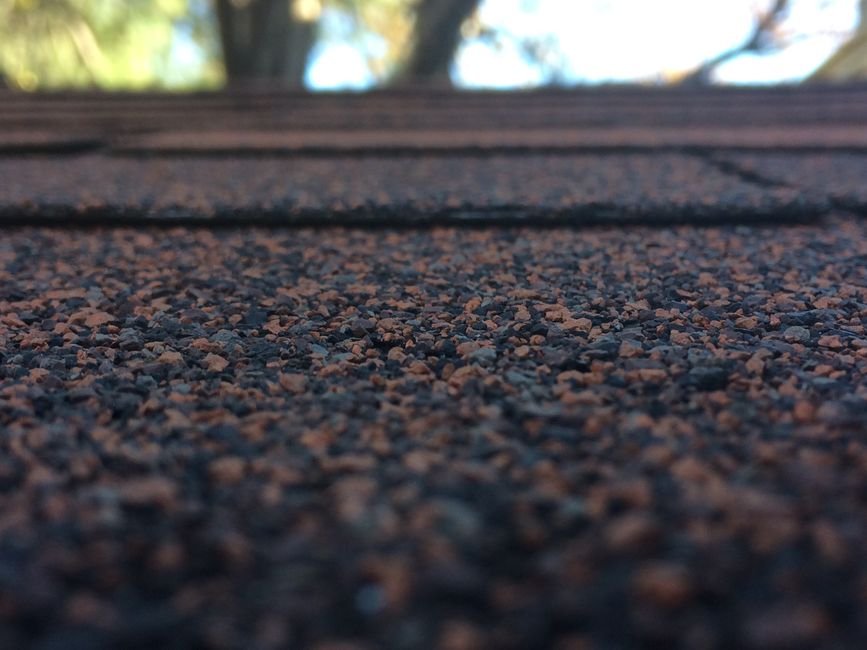

Why Asphalt Shingles Dominate Roofing in North America
Asphalt shingles are the most widely used roofing material in North America — and it’s not a close race. More than 80% of all residential roofing installed in the United States uses asphalt as the base material. When working with a professional roofing company, you will find they are affordable, durable, and available in a wide range of styles and colors.
Here’s a quick overview of what you need to know:
| Feature | Details |
|---|---|
| Types | Strip (3-tab), Dimensional (Architectural), Luxury |
| Typical Lifespan | 15–30 years depending on type |
| Fire Rating | Class A (fiberglass) to Class B (organic) |
| Wind Resistance | Up to 150 mph (Class H rated) |
| Cost | Among the most affordable roofing options available |
| Best For | Most residential homes in most climates |
Asphalt shingles work because they hit a sweet spot that other materials miss: low upfront cost, straightforward installation, and solid protection against wind, rain, fire, and UV exposure. Whether you’re dealing with Ohio’s heavy snow, summer storms, or high winds, a quality asphalt roof — properly installed — can handle it.
First introduced in 1903, asphalt shingles have been refined over more than a century into a high-performance roofing product. Today’s options range from basic budget-friendly 3-tab shingles to premium luxury shingles that convincingly mimic slate or wood shake.
If you’re considering a roof replacement or new installation, understanding your shingle options is the first step toward making a smart, long-lasting choice for your home.
I’m Albert Wengerd, owner of Mid Ohio Roofing, and I’ve worked with asphalt shingles across hundreds of residential projects throughout central Ohio — from straightforward replacements to storm-damage repairs using trusted brands like GAF and Owens Corning. In this guide, I’ll walk you through everything you need to know to choose the right shingle for your home and climate.
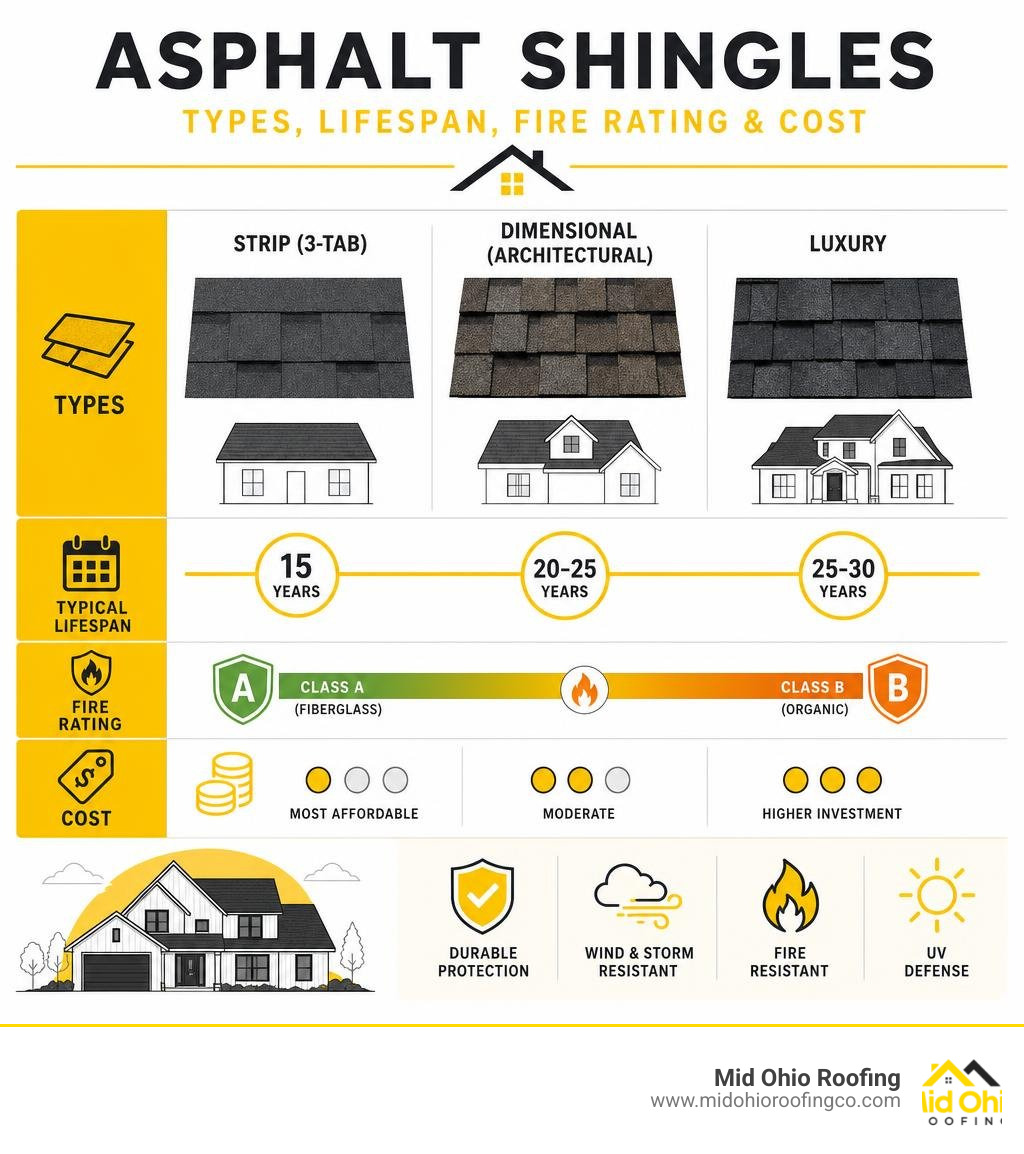
Asphalt shingles terms simplified:
Understanding the Performance and Value of Asphalt Shingles

To appreciate why asphalt shingles remain the premier choice for homeowners across Columbus, Newark, and the surrounding Central Ohio communities, it helps to look closely at how they are made. Modern composition shingles are engineered to protect your home using a layered defense system.
At the core of a modern shingle is a fiberglass mat, which provides structural strength and tear resistance. This mat is thoroughly coated with a specially formulated, water-resistant asphalt layer that acts as the primary waterproofing barrier. Finally, a top layer of weather-resistant mineral granules is embedded into the hot asphalt.
These granules are not just for color; they play a critical role in protecting the underlying asphalt from degrading under the sun’s harsh ultraviolet (UV) rays. Many modern granules also incorporate advanced technologies, such as copper-containing algae-resistant elements and reflective cool roof coatings that bounce solar heat away from your attic space.
According to life cycle assessments of Generic Asphalt Shingles , the typical composition of a standard fiberglass-based shingle consists of:
- 43% Mineral Filler: Typically limestone, slate, fly ash, or trap rock, which reinforces the asphalt coating and increases fire resistance.
- 25% Mineral Granules: The ceramic-coated stone particles that provide UV protection and aesthetic color.
- 20% Asphalt: The waterproofing binder that seals out moisture.
- 7% Back Surfacing: Fine mineral material applied to the back of the shingles to prevent them from sticking together in the package.
- 5% Fiberglass Mat: The thin glass-fiber substrate that holds the entire structure together.
This engineering results in a product that weighs an average of 280 pounds per square (100 square feet) and delivers exceptional fire resistance, structural stability, and wind shedding. If you are looking to learn more about the basic structure and benefits, you can explore our dedicated guide on Asphalt Shingle Roofs.
The Evolution of Modern Asphalt Shingles
The history of composition roofing is a story of continuous material science improvements. As detailed in the historical overview of the Asphalt shingle , these products were first invented in 1903 by Henry Reynolds in Grand Rapids, Michigan. By 1939, the industry was producing over 11 million squares annually, proving their rapid acceptance in the market.
Early shingles utilized an organic felt base made of waste paper, wood fibers, or rags. While organic shingles contained about 40% more asphalt per unit area than modern fiberglass shingles, they had distinct drawbacks: they were highly susceptible to moisture absorption, curling, and had lower fire resistance (typically achieving only a Class B or C rating).
The introduction of fiberglass mat bases in 1960 revolutionized the industry. Fiberglass mats do not absorb moisture, they remain stable during rapid temperature swings, and they allow shingles to easily achieve a Class A fire rating. By 1982, fiberglass-based shingles overtook organic felt as the predominant residential roofing material. Organic shingles were phased out by almost all major manufacturers by 2011.
Another major milestone occurred in the 1950s with the introduction of factory-applied self-sealing adhesives. These heat-activated strips bond overlapping shingles together after installation, significantly increasing wind uplift resistance.
Key Benefits of Installing Asphalt Shingles
When we perform a residential roofing consultation in Mount Vernon or New Albany, homeowners often ask why they should choose asphalt over metal, wood, or tile. The answer lies in the balanced list of performance benefits:
- Class A Fire Resistance: Fiberglass shingles provide the highest level of fire protection available for residential roofing, helping slow the spread of external flames.
- Excellent Wind Performance: Standard modern shingles are tested to meet ASTM D7158 standards. Class H shingles can withstand wind speeds up to 150 mph when installed with proper starter strips and nailing patterns.
- Algae Protection: Blue-green algae (Gloeocapsa magma) thrives in humid climates, leaving ugly black streaks on roofs. Modern shingles feature built-in copper granules that slowly release copper ions to prevent algae growth.
- Impact Resistance: For homeowners in hail-prone areas, Class 4 impact-rated shingles (tested under UL 2218 by dropping a 2-inch steel ball from 20 feet) offer superior durability. Installing these can even earn you premium discounts on your homeowner’s insurance policy.
- Cost-to-Value Ratio: Asphalt is highly cost-effective. It has a lower upfront cost than metal, slate, or wood shakes, is simple to install, and requires minimal long-term maintenance.
If your roof has recently been subjected to severe weather, you can read more about identifying issues in our guide to handling Storm Damage Roofing.
Comparing Strip, Dimensional, and Luxury Shingle Options
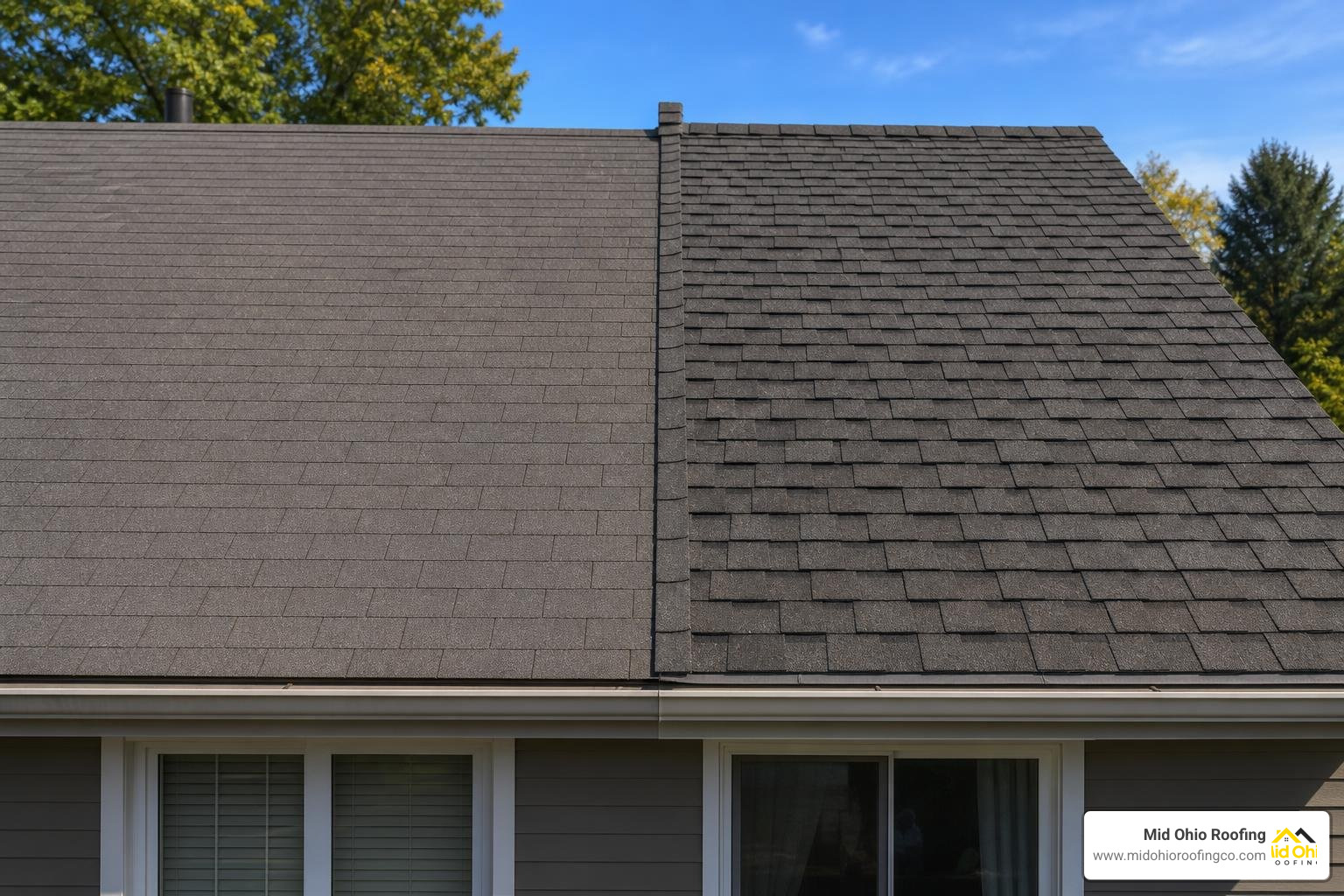
Asphalt shingles are categorized into three major design tiers: strip (3-tab), dimensional (architectural), and luxury (premium). Choosing between them involves balancing your budget, aesthetic preferences, and the architectural style of your home.
| Shingle Type | Average Lifespan | Weight per Square | Relative Cost | Primary Aesthetic |
|---|---|---|---|---|
| Strip (3-Tab) | 15–18 Years | 200–230 lbs | $ (Low) | Flat, uniform, traditional |
| Dimensional (Architectural) | 24–30 Years | 250–320 lbs | $$ (Moderate) | Textured, shadow lines, multi-dimensional |
| Luxury (Premium) | 30–50 Years | 350–450 lbs | $$$ (High) | Realistic slate or hand-split wood shake look |
Strip Shingles (3-Tab)
Strip shingles, commonly referred to as 3-tab shingles, are the original style of asphalt roofing. They are constructed from a single layer of material that is cut into a strip with three uniform tabs, creating a flat, symmetrical brick-like pattern across the roof.
Prior to the 1980s, strip shingles were the dominant choice on the market. Today, they represent an entry-level, budget-friendly option. While they are lightweight and easy to install, they have a shorter lifespan (typically 15 to 18 years) and lower wind resistance (usually rated up to 60 mph) compared to multi-layered options. For an in-depth breakdown of this traditional option, see our guide on Everything You Need to Know About 3-Tab Shingles.
Dimensional Shingles (Architectural)
Dimensional shingles, also known as architectural or laminated shingles, are the most popular roofing material installed today, representing over 56% of the residential market.
Unlike single-layer strip shingles, dimensional shingles feature two or more layers of asphalt-coated fiberglass laminated together. This multi-layer construction allows manufacturers to cut varying tab shapes and paint contrasting shadow lines, giving the roof a rich, textured, three-dimensional appearance that mimics wood shakes.
Dimensional shingles offer excellent performance. They are thicker, heavier, and typically carry wind ratings up to 110 mph (upgradable to 130 or 150 mph with specialized installation techniques). They typically last 24 to 30 years and are backed by robust manufacturer warranties. You can view various architectural styles on the Roof Shingles: Asphalt Roofing Shingles | GAF product catalog.
Luxury Shingles (Premium)
Luxury shingles are the highest-performing and most visually stunning asphalt products on the market. They are significantly thicker and heavier than dimensional shingles, often weighing over 400 pounds per square.
This extra material allows for dramatic, deep-shadow profiles that realistically replicate natural slate tiles or hand-split cedar shakes. Luxury shingles offer maximum durability, superior impact resistance, and long-lasting color. While they represent a larger upfront investment, they can last up to 50 years and dramatically increase your home’s curb appeal. To read more about the technical specifications of these premium systems, consult the Residential Asphalt Roofing Manual .
Key Components of a Complete Shingle Roofing System
A reliable roof is much more than just the shingles you see from the street. It is an integrated, multi-layered system designed to shed water, resist high winds, and manage attic temperatures. When we perform a professional roof installation, we install several critical components beneath and alongside the shingles to ensure lifetime protection.
Underlayment and Leak Barriers
The first line of defense on your roof deck is the underlayment, which acts as a secondary water barrier beneath your shingles.
- Roof Deck Protection (Underlayment): Historically, contractors used organic Type-15 or Type-30 asphalt-saturated felt paper. Today, we highly recommend synthetic underlayment. Synthetic options are made from woven polymers that are incredibly tear-resistant, don’t rot or absorb moisture, and provide a flatter surface for shingle installation.
- Leak Barriers (Ice & Water Shield): In Ohio, winter brings freezing temperatures and snow. This makes homes vulnerable to ice dams—where melting snow refreezes at the cold eaves, backing water up under the shingles. To prevent leaks, we install self-adhering polymer-modified asphalt leak barriers along the eaves, in valleys, and around penetrations like chimneys and vent pipes. This rubberized membrane seals tightly around nail shafts to block water infiltration.
For more technical details on how these materials protect your home’s structure, you can read the comprehensive overview on Asphalt shingle – WikiMili, The Best Wikipedia Reader .
Starter Strips, Ridge Caps, and Ventilation
The edges and peaks of your roof are the areas most vulnerable to wind damage and water intrusion.
- Starter Strip Shingles: Installed along the eaves and rakes, starter shingles feature a factory-applied adhesive strip positioned specifically to lock down the first course of shingles. This prevents wind from getting underneath the shingles and blowing them off.
- Ridge Cap Shingles: The hips and ridges of your roof take the brunt of wind and weather. Standard shingles cannot be folded over these sharp angles without cracking. Specialized, pre-cut ridge cap shingles are installed along the peaks to provide a watertight seal and a finished, professional look.
- Attic Ventilation: Proper ventilation is critical for extending the lifespan of your asphalt shingles. Without a balanced system of intake vents (usually at the soffits) and exhaust vents (along the roof ridge), heat and moisture build up in your attic. In the summer, trapped heat can bake your shingles from underneath, causing premature aging. In the winter, trapped moisture can condense against the roof deck, leading to mold, rot, and ice dams.
Frequently Asked Questions About Composition Roofing
If you are planning a home improvement project or dealing with an active leak, you likely have several questions. Below are direct, factual answers to the most common questions we receive from homeowners in Central Ohio. If you are handy and looking to address a minor issue yourself, check out The Homeowner’s Handbook for Easy Asphalt Shingle Repair.
How long does a composition roof typically last?
An asphalt shingle roof typically lasts between 20 and 25 years. However, the actual lifespan depends heavily on the type of shingle installed, the local climate, and the quality of the installation and attic ventilation.
- Three-tab shingles generally last 15 to 18 years.
- Dimensional shingles typically last 24 to 30 years.
- Luxury shingles can last 30 to 50 years.
In Ohio, our hot summers, freezing winters, and severe storms subject roofs to significant thermal shock (rapid temperature changes), which can accelerate the aging process. Regular maintenance and addressing minor issues early can help maximize your roof’s lifespan. If you are dealing with a minor leak, you can read our guide on Patching Things Up With Your Leaky Asphalt Roof.
What signs indicate it is time for a roof replacement?
You should replace your roof if you notice widespread shingle damage, active interior leaks, sagging roof lines, or if the roof is over 20 years old.
Keep an eye out for these visual warning signs:
- Curling or Cupping Shingle Edges: This indicates the asphalt is drying out and shrinking, often due to poor attic ventilation.
- Bald Spots and Excessive Granule Loss: While some granule loss is normal on a new roof, finding piles of granules in your gutters is a sign that your shingles have lost their UV protection and are rapidly deteriorating.
- Cracked or Missing Shingles: High winds can tear shingles away or crack them, leaving your underlayment exposed to rain and sun.
- Dark Water Stains on Ceilings or Attic Rafters: This indicates water is successfully bypassing your shingles and underlayment.
- Roof Sagging: This is a serious structural issue indicating water damage has rotted the decking or rafters beneath.
If you notice any of these signs, we recommend scheduling a professional inspection. You can learn more about what to expect during this process by reading about our Roof Inspections service.
How do I calculate the number of bundles needed for my roof?
To find out how many shingle bundles you need, calculate your roof’s total square footage, divide by 100 to get the number of “squares,” multiply by 3 (since there are typically 3 bundles per square), and add a 10% waste factor.
Here is the step-by-step formula:
- Determine Roof Area: Measure the footprint of your home and account for the pitch (slope) of your roof to find the total sloped square footage. Let’s assume a total roof area of 2,000 square feet.
- Convert to Squares: In the roofing industry, a “square” is equal to 100 square feet. $$\text{Squares} = \frac{2,000 \text{ sq. ft.}}{100} = 20 \text{ squares}$$
- Add Waste Factor: Standard roofs require a 10% waste factor for cuts, valleys, and starter courses. Complex roofs with multiple hips, valleys, and dormers may require 15% to 20%. $$20 \text{ squares} \times 1.10 = 22 \text{ squares}$$
- Calculate Bundles: Most standard dimensional shingles are packaged with 3 bundles per square. $$22 \text{ squares} \times 3 \text{ bundles/square} = 66 \text{ bundles}$$
For precise planning, we also recommend factoring in specialized starter strips and ridge cap bundles, which are measured in linear feet rather than square footage. If you would like a professional to handle the measurements and provide a transparent estimate, you can learn more about our Roof Replacement services.
Conclusion
Choosing the right asphalt shingles for your home is an investment in your property’s safety, energy efficiency, and curb appeal. By understanding the differences between 3-tab, dimensional, and luxury options—and ensuring they are installed as part of a complete, ventilated system—you can enjoy peace of mind for decades to come.
At Mid Ohio Roofing, we are proud to serve homeowners across Mount Perry, Columbus, Cincinnati, Mount Vernon, Newark, New Albany, Springfield, Zanesville, Athens, Marysville, and throughout Central Ohio. As a licensed and insured local contractor, we bring deep Ohio weather expertise, transparent pricing, and fast emergency response to every project.
Whether you need a minor repair, a complete roof replacement, or an inspection after a major storm, our team is here to help.
Ready to discuss your roofing options?
- Explore Our Services: Learn more about our high-quality Asphalt Shingle Roofs and find the perfect fit for your home.